
Transport for London (TfL) needs a longer-term financial settlement with government to address a growing infrastructure renewal backlog and support economic growth, according to new research by the Centre for London think tank.
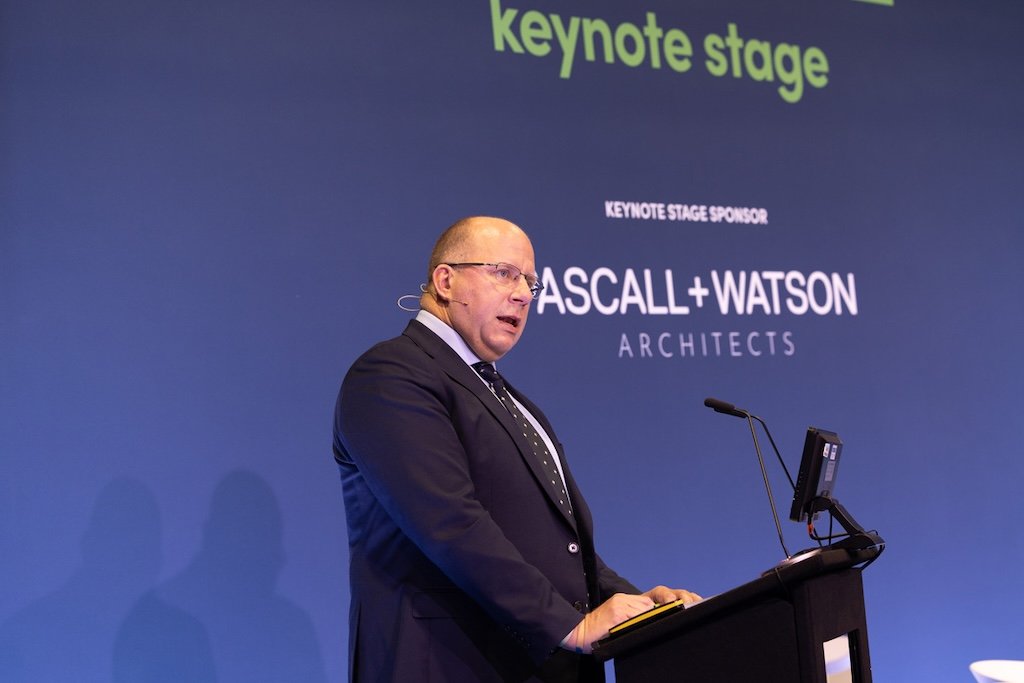
image: Vicki Sharp Photography (Andy Lord, TfL Commissioner)
The report argues that successive short-term funding agreements have restricted TfL’s ability to plan major investment, maintain its assets and develop the delivery capacity needed to support future network improvements.
TfL’s estimated capital renewal backlog reached £6.5bn in March 2026, up from approximately £2bn in 2017. The deteriorating condition of infrastructure is already affecting passenger journeys, with customers losing more than 800,000 hours a week on average during 2026-27 because of asset-related problems, according to figures published by the London Assembly.
The research highlights the scale of the network's economic contribution. TfL recorded 3.58 billion passenger journeys in 2024-25, equivalent to 394 journeys per resident, making London’s public transport system the most intensively used in Western Europe.
Centre for London estimates that TfL directly supports more than 100,000 jobs through its supply chain, generating over £11bn in gross value added for the UK economy during 2022-23 and 2023-24. Its analysis also identifies a relationship between transport accessibility and employment, estimating that each additional point on TfL’s accessibility index is associated with around 106 additional workplace jobs per 1,000 residents.
The report argues that TfL has moved from a period of network expansion and innovation towards one increasingly focused on maintaining existing services, as funding uncertainty has constrained its ability to invest in renewals and retain specialist expertise.
It calls on the Mayor of London, TfL and central government to agree a capital funding settlement extending for at least five years beyond 2029-30. This would provide greater certainty for planning infrastructure renewals, performance improvements and future investment as a coordinated programme.
The government announced a £2.167bn capital funding settlement for TfL covering 2026-27 to 2029-30 as part of its 2025 Spending Review. The agreement represents the largest multi-year funding settlement for London in more than a decade and supports projects including new Piccadilly line trains, Docklands Light Railway improvements and the renewal of roads, tunnels and other critical infrastructure.
However, Centre for London argues that the settlement needs to be followed by a more durable funding arrangement that recognises the long-term nature of infrastructure investment and reduces TfL's reliance on short-term government interventions and fare income.
Antonia Jennings, chief executive of Centre for London, said maintaining the network’s performance required the same funding certainty available to major transport networks elsewhere in Europe. She said TfL needed to undertake both major infrastructure projects and the less visible work of renewing and maintaining the network used by millions of passengers.
London’s Transport Commissioner, Andy Lord, said a durable financial settlement would help address the renewal backlog, improve reliability and support investment in projects capable of unlocking new homes and economic opportunities across London and the wider UK.
TfL commissioned the research, which Centre for London says was developed independently. The findings will inform ongoing discussions between the transport authority and government about the long-term funding and policy reforms needed to support the capital’s transport network.