
2027 Programme (coming soon… but here’s the teaser)
Interchange 2027 reframes transport around outcomes
For decades, debate on transport infrastructure has focused on modes, projects and delivery pipelines. But national priorities are now defined diffrerently — by the outcomes that matter to people, the economy and the environment. The challenge is systemic.
Interchange offers a multistream conference programme that is helping define a more coherent and deliverable approach to the UK’s infrastructure future.
Transport integration is central to how different modes, institutions and funding decisions work together as a system.
Devolution affects investment, delivery, integration and accountability and is the golden thread running through the whole programme.
Start with the outcomes. Growth, productivity, access to opportunity, better journeys, net zero and resilience are the tests against which policies, technologies and projects are assessed.
Our guiding principles
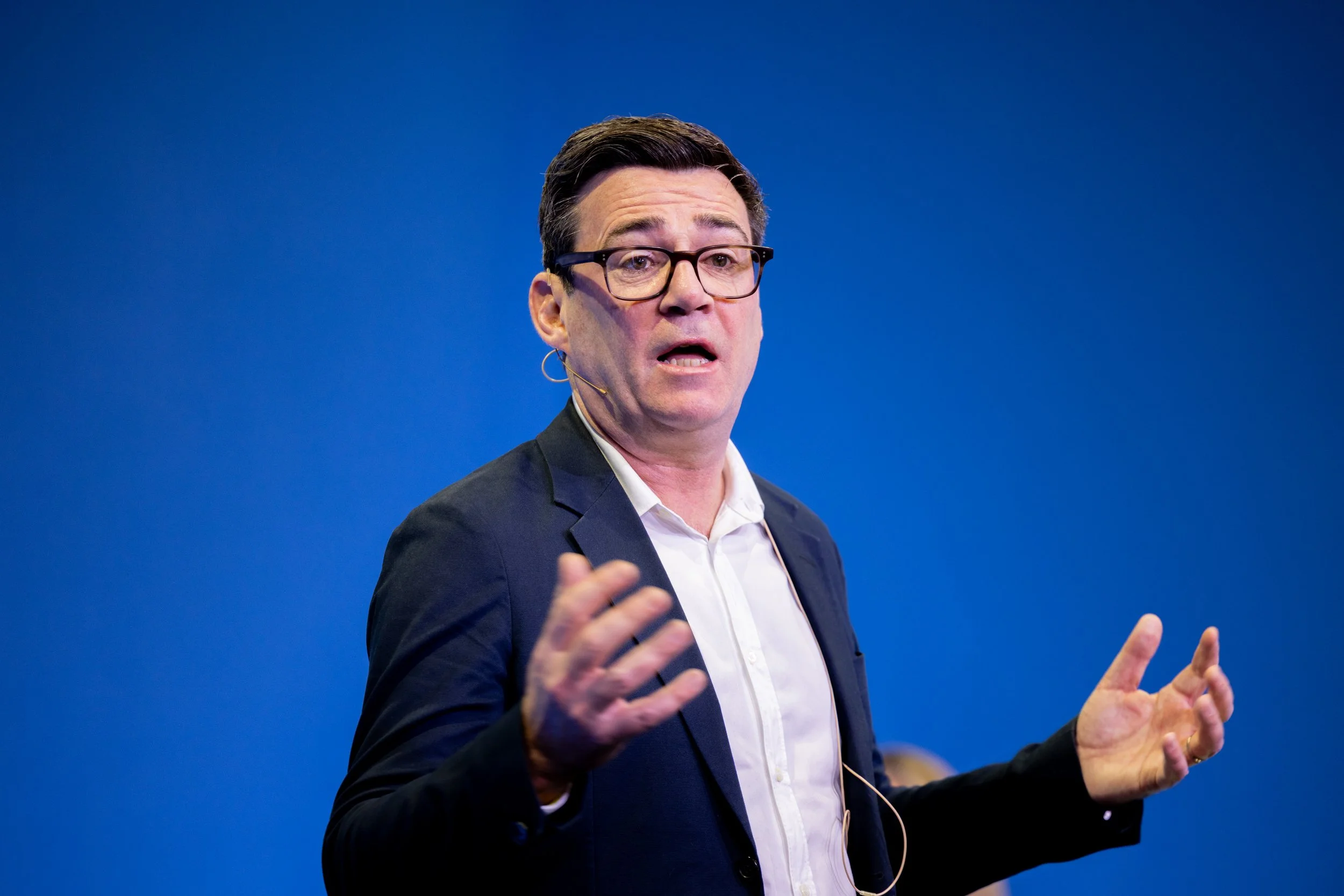

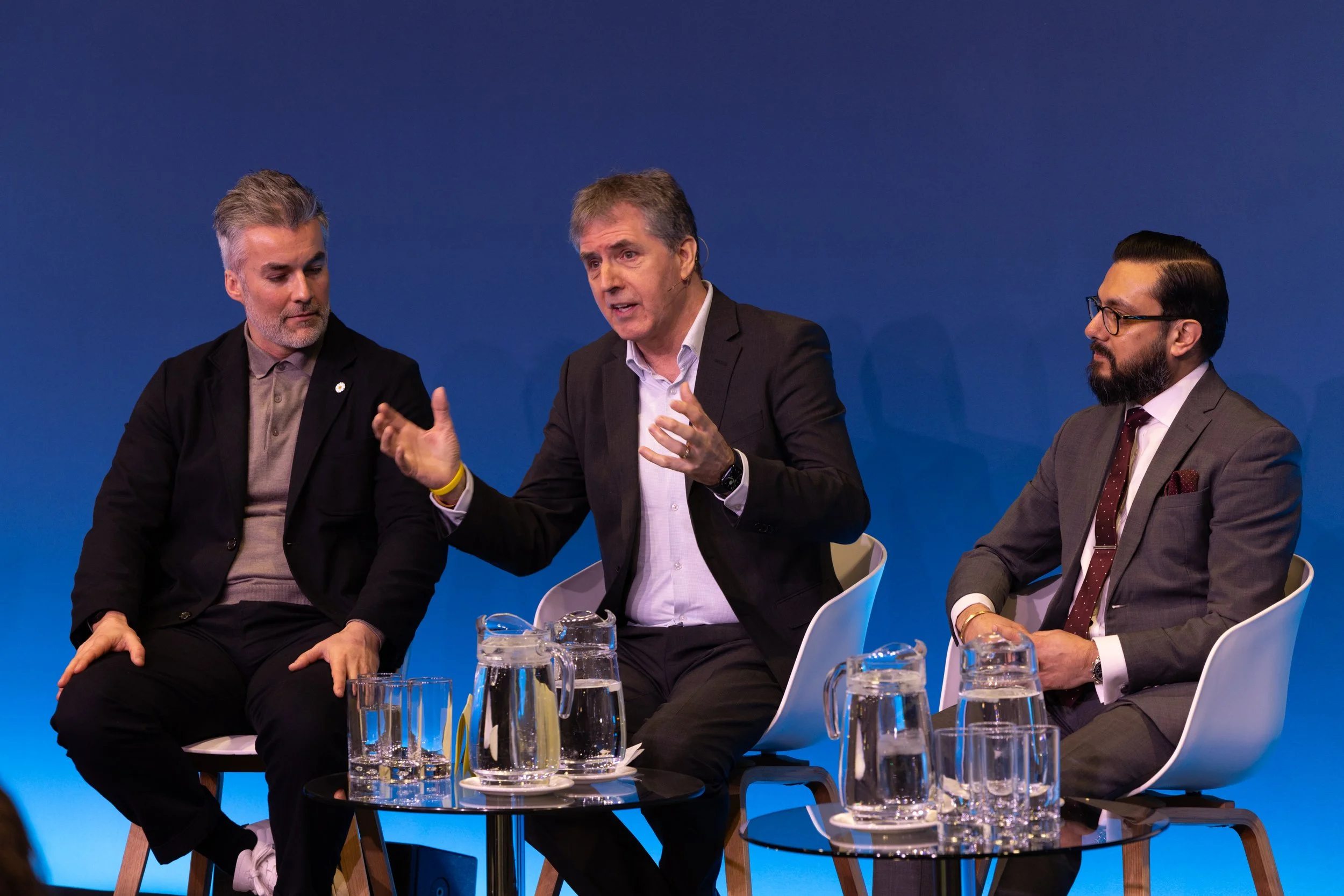
Interchange offers a multistream conference programme with content taking place across a keynote stage and two theatres running in parallel, one focused on strategic direction, the other on practical delivery. Core areas of focus include:
Fund it — where will the money come from?

How can the UK fund the transport systems it needs, attract private investment and make the strongest case for spending?
Public investment, private finance and innovative funding models
Integrated settlements, long-term funding and devolved decision-making
Making the economic case: productivity, housing, jobs and regional growth
Prioritising investment across maintenance, renewal and new infrastructure
Deliver it — why does delivery take so long?

How can the transport sector move faster from ambition and strategy to projects that are funded, consented, built and operational?
Planning reform, consenting and infrastructure policy
Procurement, commercial models and supply-chain capacity
Project development, standardisation and modern methods of construction
Skills, capability and productivity
Integrate it — who is in charge?

How can the UK move beyond fragmented networks and responsibilities to deliver joined-up transport across modes, places and institutions?
Devolution, mayoral leadership and local transport powers
Integrated transport strategies and long-term spatial planning
Connecting rail, bus, road, active travel, ports and airports
National-local relationships and alignment of investment decisions
Transform it — what will mobility look like next?
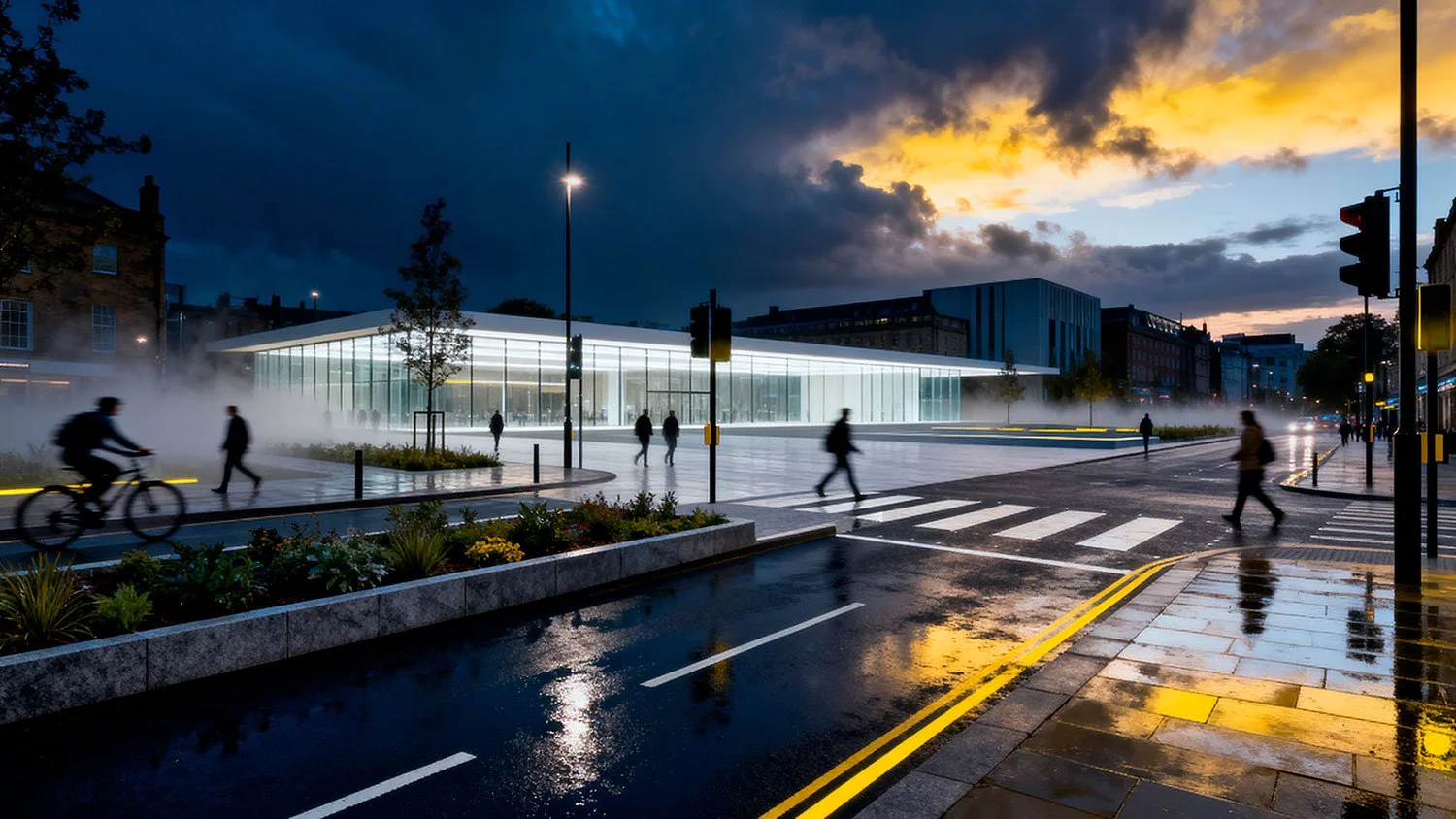
How will changing technology, passenger expectations and new business models reshape the way people and goods move?
AI, data, digital twins and intelligent transport systems
Connected and automated mobility
New approaches to public transport operations and customer experience
Freight, logistics and the changing movement of goods
Make it deliver — what outcomes are we actually buying?

How can transport support the transition to net zero while making networks more resilient, communities healthier and places more productive and liveable?
Decarbonising transport infrastructure and operations
Climate adaptation, extreme weather and network resilience
Nature, environmental outcomes and whole-life asset performance
Accessibility, inclusion and better everyday journeys
These are not isolated themes, but interdependent national challenges that must be solved together. By design, Interchange brings together the disciplines, sectors and decision-makers needed to turn these challenges into shared opportunities to shape better outcomes.


To discuss how to get involved please email andrew.dowding@meetingsofminds.co.uk