
Belfast Harbour sets out £1.3bn 2050 infrastructure investment plan
Belfast Harbour has unveiled a 25-year masterplan centred on £1.3bn of infrastructure investment aimed at expanding port capacity, strengthening logistics networks and supporting long-term trade growth across Northern Ireland and the wider island of Ireland.
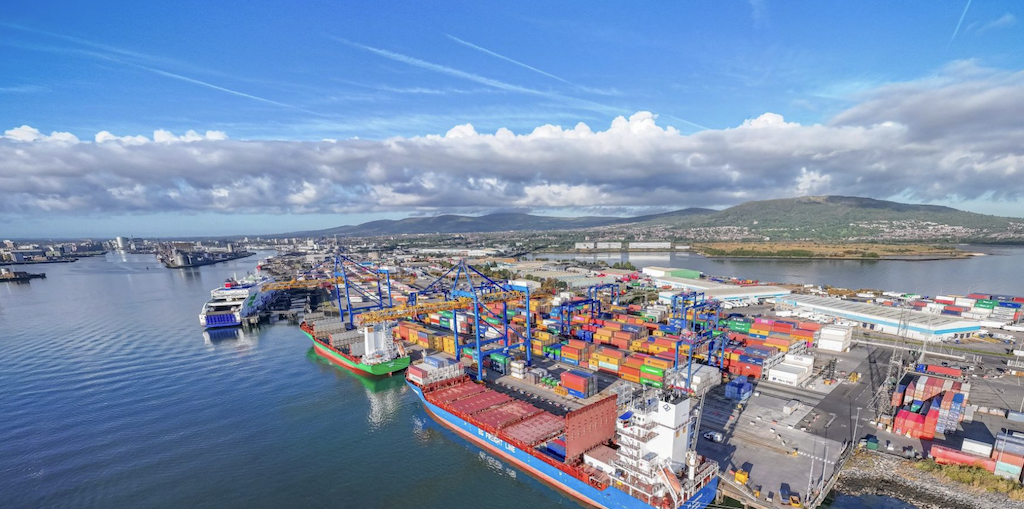
image: Belfast Harbour
The Belfast Harbour 2025–2050 Masterplan outlines a programme of port, transport, energy and waterfront development projects designed to accommodate rising freight volumes, support offshore wind activity and reinforce the harbour’s role as a key gateway for Irish Sea trade. Belfast Harbour currently handles around 70% of Northern Ireland’s seaborne trade and approximately a quarter of all seaborne trade on the island of Ireland.
A significant proportion of the investment will focus on expanding and modernising core port infrastructure. Planned projects include the completion of the £90m D3 deepwater terminal, redevelopment of Stormont Wharf, extension of container berths to accommodate larger next-generation vessels and the construction of a new freight terminal at West Bank Road through Belfast Harbour’s first land reclamation project in 25 years. The harbour also plans to develop a new logistics park, clean energy hub and shore power infrastructure for vessels alongside improved facilities supporting offshore wind deployment.
The infrastructure programme has been developed in response to forecasts showing continued growth in trade volumes over coming decades. Independent analysis referenced by Belfast Harbour suggests freight throughput could rise from around 24–25 million tonnes annually today to more than 31m tonnes by 2050, with higher-growth scenarios potentially reaching between 40m and 50m tonnes.
Harbour officials said the investment is intended to ensure the port remains resilient and competitive as capacity pressures increase across Irish Sea trade routes. The masterplan positions Belfast as a potential beneficiary of future constraints at other major ports, particularly as Dublin Port approaches long-term capacity limits.
Alongside freight infrastructure, the plan includes investment in cruise and renewable energy facilities. Belfast Harbour is already progressing work on a new deepwater quay capable of accommodating larger cruise vessels while also supporting offshore wind assembly and deployment activity. The port has identified offshore wind as a major future growth sector and is seeking to strengthen its role within emerging renewable energy supply chains around the Irish Sea.
The masterplan also proposes the creation of a maritime skills academy to support workforce development as new logistics, engineering and clean energy projects come forward. Harbour representatives said the investment programme could support almost 5,500 construction jobs while underpinning wider economic activity across Northern Ireland. Independent analysis commissioned for the plan estimates the harbour could facilitate around £12bn in annual gross value added through trade activity in future years.
In addition to operational infrastructure, Belfast Harbour is exploring wider regeneration opportunities across its estate, including housing, commercial development and public realm projects requiring separate investment partnerships. The harbour said these developments would be designed alongside its continued role as a working port and logistics hub.