
CBT report urges GBR to learn from British Rail as reform programme advances
Great British Railways (GBR) should draw on lessons from the former British Rail while avoiding rigid structures and short-term thinking, according to a new report published by Campaign for Better Transport.
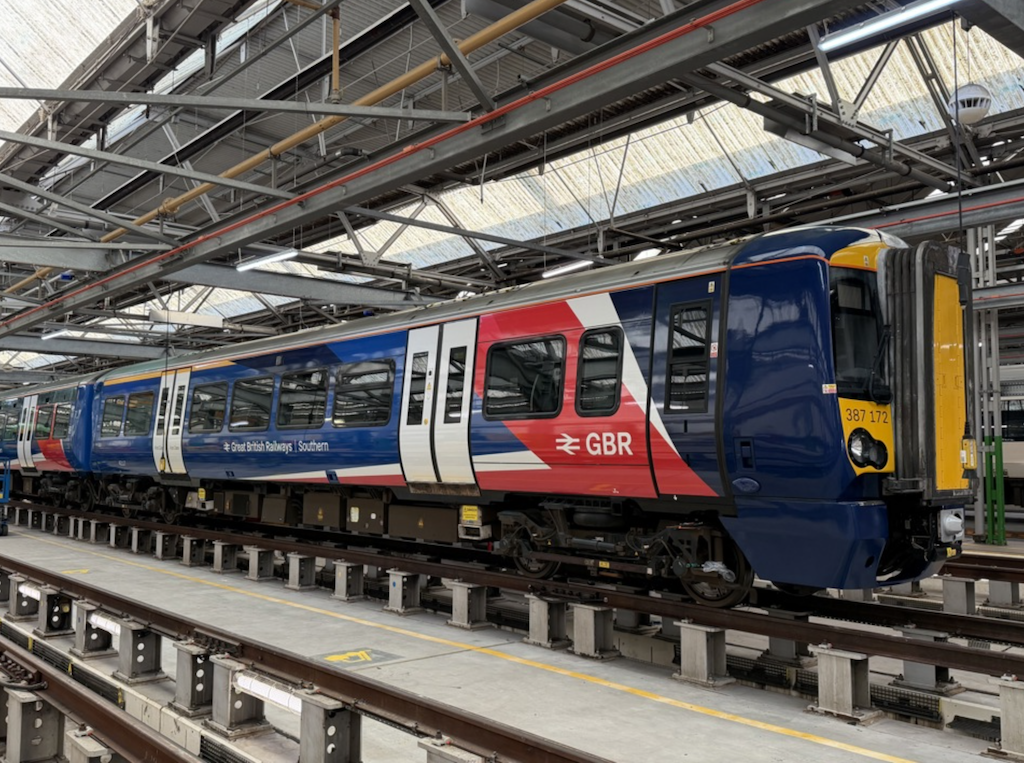
image: gov.uk
The report, Track Record: What Great British Railways Can Learn from British Rail, is based on discussions between former British Rail executives and current rail industry leaders. It examines how the new publicly owned body can navigate the challenges of bringing track and train operations under a single guiding organisation.
GBR is being created as part of the government's rail reform programme and is intended to provide strategic oversight of the railway network while integrating responsibilities that have been spread across multiple organisations since privatisation. The report says that while GBR will not be a recreation of British Rail, it will face some similar operational and governance challenges.
Campaign for Better Transport said public expectations of the new organisation are high and warned that support for rail nationalisation could diminish if promised improvements fail to materialise. The report argues that GBR will need to balance a wide range of objectives, including financial performance, passenger satisfaction, regional connectivity and broader economic and environmental goals.
Among the report's central findings is that organisational structures should be allowed to evolve over time rather than being viewed as permanent. Participants pointed to British Rail's own history, and that some of its most significant reforms occurred years after the organisation was established.
The study also highlights the importance of decision-making at the appropriate level within the railway. Contributors argued that operational decisions should be taken as close as possible to passengers and local services, while maintaining the benefits of a nationally coordinated network. The report describes this balance as a key challenge for GBR's future leadership.
Workforce development emerged as another major theme. The report warns that an ageing rail workforce could lead to the loss of expertise unless significant investment is made in recruitment, apprenticeships, training and leadership development. It also calls for greater diversity across the sector and for GBR to build skills internally rather than relying excessively on external recruitment.
Innovation is identified as a further priority. Rather than focusing on developing new technologies, the report argues that the railway industry's challenge is often deploying proven innovations at scale across the network. Participants said successful implementation would require stronger organisational capability and a willingness to adopt new approaches more rapidly.
The report sets out five recommendations for GBR: creating a responsive organisational culture, establishing clear principles for local and national decision-making, ensuring government provides a consistent strategic vision, investing in workforce skills and diversity, and accelerating the adoption of innovation.
Ben Plowden, chief executive of Campaign for Better Transport, said the creation of GBR represents a rare opportunity to reshape Britain's railways and that the experience of those who worked within British Rail could help inform decisions during the transition.
The lessons of British Rail, he says, should be viewed not as a blueprint for the future but as practical experience that can help guide one of the most significant changes to Britain's railway system in decades.