
Freeport East transport masterplan identifies priorities for investment across Suffolk and Essex
A new transport masterplan for Freeport East has identified a series of major road and rail schemes, including upgrades to the A120 corridor, Ely rail junctions and a potential new Orwell crossing, as priorities for investment across Suffolk and Essex.
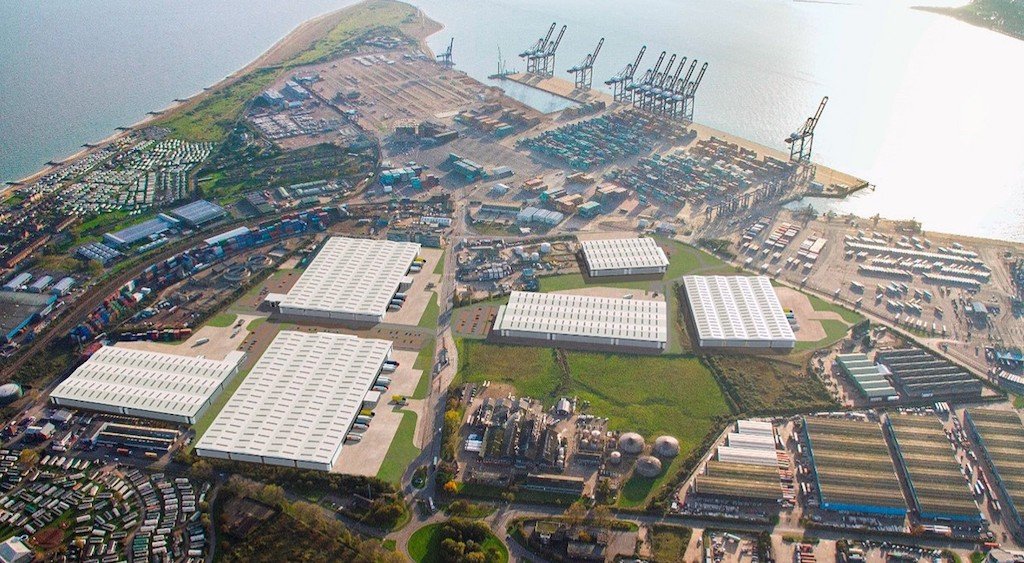
Image: Freeport East
The plan, developed jointly by Freeport East and Transport East, sets out 14 projects aimed at improving connectivity to ports and key economic sites, with the stated goal of supporting jobs, trade and regional growth. It highlights the need for coordinated investment across road, rail and local transport networks to address existing capacity constraints and improve reliability.
Freeport East is a government-designated economic zone centred on the ports of Felixstowe, Harwich and Ipswich, along with nearby logistics and business developments such as Gateway 14.
The initiative is designed to attract investment, increase trade and create higher-skilled jobs through a combination of tax incentives, planning flexibilities and infrastructure improvements. The masterplan argues that transport upgrades will be essential to realising these ambitions and accommodating expected increases in freight and passenger demand.
Among the road schemes identified are improvements to the A120 corridor between Harwich and London Stansted Airport, upgrades to the A14 Copdock Interchange, and measures to address congestion and resilience issues at the Orwell Crossing near Ipswich. The latter includes consideration of longer-term options such as a new crossing or alternative route to reduce disruption during closures.
Rail proposals include capacity upgrades at Ely and Haughley junctions, which are seen as key bottlenecks in the wider network, as well as electrification of the Ipswich to Felixstowe line to support freight growth from the UK’s busiest container port. The plan also references improvements to passenger services, including better connectivity between Ipswich and Cambridge and along the Essex coast.
In addition to major infrastructure schemes, the masterplan outlines a range of local and technology-focused initiatives. These include improving public transport links between Freeport sites and surrounding communities, supporting active travel, and introducing digital and demand-responsive transport solutions.
Transport East, a regional partnership of local authorities, businesses and transport bodies, worked with Freeport East to develop the strategy. Its role is to coordinate long-term transport planning across eastern England and to present a unified case for investment to central government. The masterplan is intended to align with wider regional priorities and strengthen bids for future funding.
The document does not set out a delivery timetable but proposes a phased approach, with some smaller-scale interventions potentially delivered in the near term. Many of the schemes remain at an early stage and will require further development, including detailed business cases, planning approvals and funding agreements.