
Inclusive transport could unlock £176bn for UK economy, IMechE report finds
Making the UK's transport network fully accessible could generate up to £176bn in annual economic benefits by enabling more disabled people to access employment, education and public services, according to a new report from the Institution of Mechanical Engineers (IMechE).
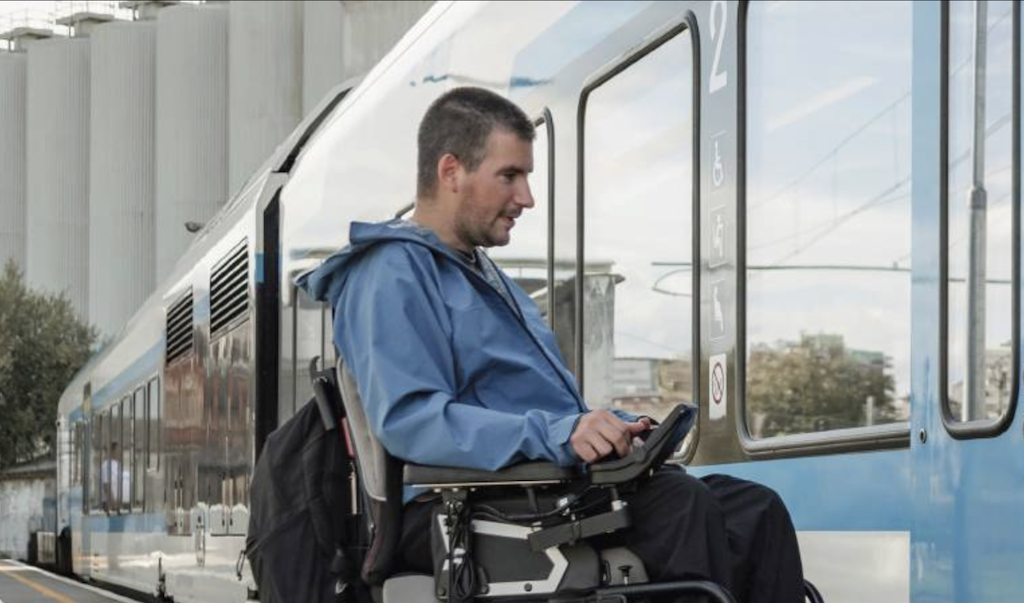
image: IMechE
The report, Mobility as a Multiplier: Unlocking the Economic Potential of Inclusive Transport, argues that transport accessibility should be viewed not only as a social policy issue but also as a strategic investment capable of boosting productivity, economic growth and workforce participation.
The analysis estimates that around 2.8m disabled people of working age are effectively excluded from the labour market in part because of inaccessible transport. Drawing on Office for National Statistics productivity data, IMechE estimates that removing these barriers could add £176.4bn a year to the UK economy through increased employment and economic activity.
According to the report, creating a fully accessible rail network would require investment of between £20bn and £24bn over several years. However, the institution argues that the resulting economic gains would outweigh the upfront costs, with benefits beginning to accrue as accessibility improvements enable more people to travel independently for work, education and leisure.
Beyond employment, the report estimates that inaccessible transport costs Britain's retail, leisure and tourism sectors up to £22.3bn annually as disabled consumers abandon around one in five shopping trips because of travel barriers. It also projects that transport operators could generate between £10.3bn and £34.2bn in additional annual fare revenue through increased passenger numbers if accessibility were improved.
The report further highlights wider public sector impacts, estimating that up to £7bn is spent each year on specialist transport services because mainstream networks remain inaccessible for many users. Missed NHS appointments linked to transport difficulties are estimated to cost an additional £216m annually.
Among its recommendations, IMechE calls for targeted tax incentives to encourage investment in accessibility upgrades, the creation of a national real-time transport accessibility data platform, and greater integration of inclusive design principles into engineering standards, education and professional practice.
The findings come as accessibility continues to attract attention across the transport sector. Recent parliamentary scrutiny and disability advocacy groups have highlighted ongoing challenges, including the availability of step-free access, platform safety features, passenger assistance and accessible information systems. The UK government has said it is investing in accessibility improvements, including funding for step-free access at railway stations, while campaigners continue to call for broader reforms and stronger enforcement of accessibility standards.