
Survey finds more Londoners oppose than support introduction of autonomous taxis
More Londoners oppose the introduction of autonomous passenger vehicles, commonly referred to as robotaxis, than support their deployment on the capital's streets, according to a new survey commissioned by the London Assembly Transport Committee.
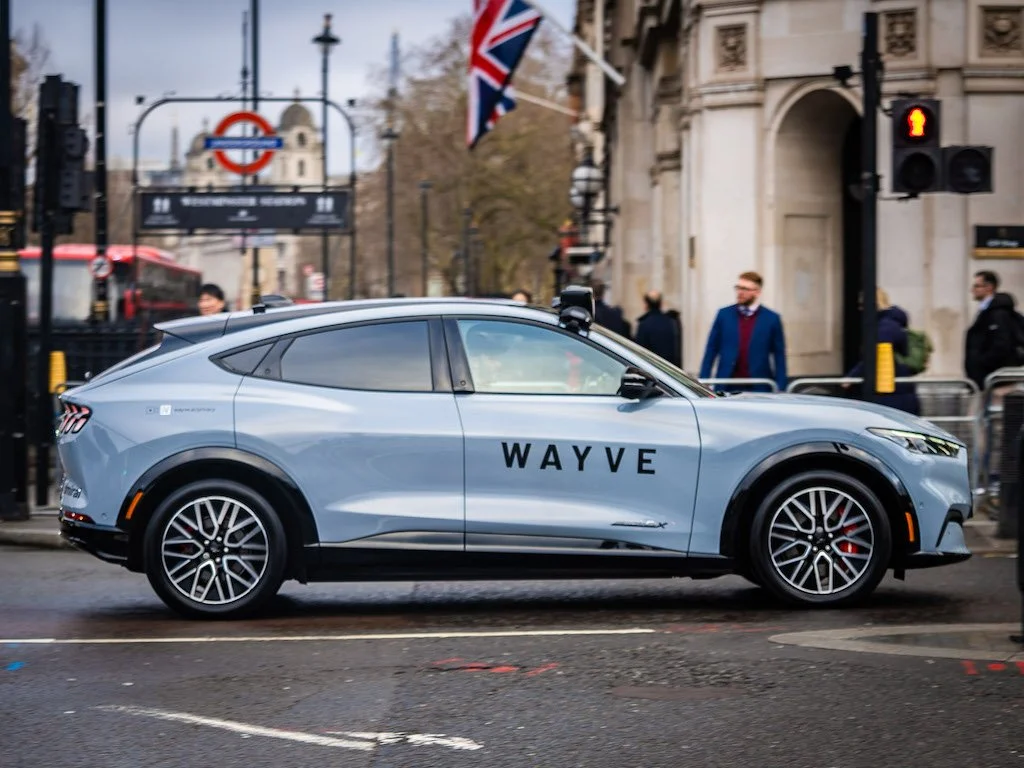
image: Wayve
The YouGov poll of 1,053 London adults found that 42% opposed the use of autonomous passenger vehicles in London, compared with 29% who supported their introduction. The survey also found that three in ten respondents said they would be likely to use an autonomous taxi if one were available, while concerns about safety, technical reliability and data privacy remain significant. The findings come as companies including Wayve, Uber and Waymo seek regulatory approval to introduce commercial autonomous passenger services in the UK.
According to the survey, the most commonly cited concern was the ability of autonomous vehicles to respond to unexpected situations or emergencies, identified by 48% of respondents. Road safety was highlighted by 41%, while 39% expressed concerns about system or technical failures. Trust in how operators would collect and use personal data was also relatively low, with only 17% saying they trusted companies to handle such information.
The survey forms part of a wider inquiry by the London Assembly Transport Committee into how autonomous passenger vehicles could operate in the capital. The committee is examining issues including safety, accessibility, congestion, regulation, employment and the potential impact on London's wider transport network before publishing recommendations later this year.
Caroline Russell AM, chair of the London Assembly Transport Committee, said the results demonstrated the importance of addressing public concerns before any commercial rollout.
"Hearing how Londoners feel about autonomous passenger vehicles is an important part of the Transport Committee investigation into their trial and possible rollout in London," she said.
"The strength of opposition is concerning, and we believe the Department for Transport and Transport for London should sit up and take our survey results seriously when considering the next steps for this technology."
She added that concerns identified through the survey would inform the committee's recommendations following the conclusion of its inquiry.
Autonomous vehicle technology has continued to advance in recent years, with companies carrying out supervised trials on UK roads while the regulatory framework develops. The UK's Automated Vehicles Act provides the legislative basis for commercial self-driving services, although operators must still obtain approval from national authorities and, in London, satisfy Transport for London's licensing requirements before services can begin.
Autonomous vehicles have the potential to improve road safety by reducing collisions caused by human error and to expand transport options, particularly in areas with limited public transport. However, stakeholders including transport groups, trade representatives and accessibility organisations have raised questions about the impact on employment, congestion, disabled passengers and interactions with cyclists and pedestrians. These issues have been central to the London Assembly's ongoing inquiry.
The Transport Committee is expected to publish its findings after the summer, with the report intended to inform future decisions by the Department for Transport and Transport for London as autonomous passenger vehicle services move closer to commercial deployment.