
Transport for London and the Mayor of London have launched a new Walking and Wheeling Action Plan that sets out a decade-long programme of infrastructure investment and street improvements aimed at increasing walking, improving public health and supporting wider transport and environmental objectives across the capital.
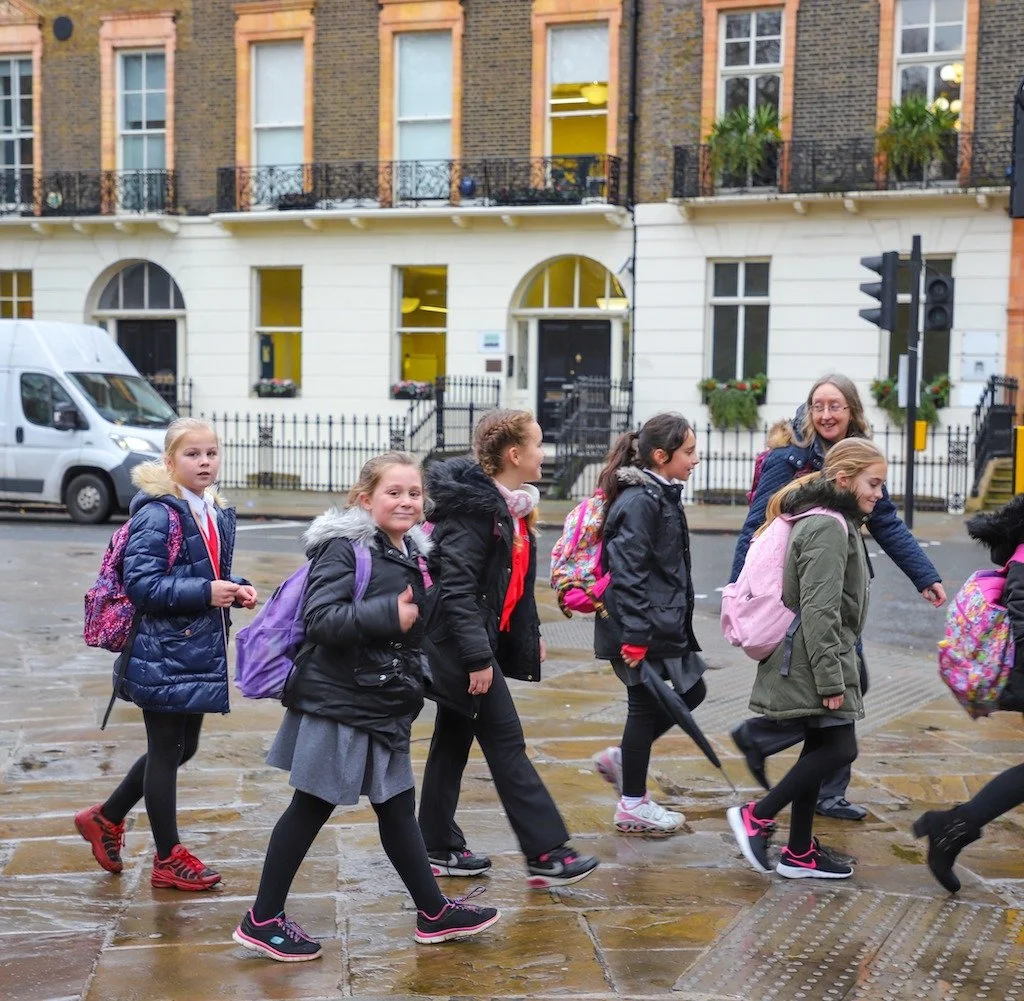
image: Shutterstock
The strategy establishes a series of targets designed to encourage more Londoners to make everyday journeys on foot, including increasing the number of adults achieving at least 20 minutes of daily walking, boosting walking activity in central London and enabling more children to walk to school safely. The plan also supports the Mayor's longer-term ambition for 80% of all journeys in London to be made by walking, cycling or public transport by 2041.
A central feature of the programme is a significant package of infrastructure measures intended to make walking safer, more convenient and more attractive. These include the delivery of 1,000 new pedestrian crossings by 2031, the expansion of School Streets to around 1,000 schools, the introduction of 50 area-wide neighbourhood schemes and improvements to walking routes linking homes with public transport services. TfL and London's boroughs will also work together on new public realm projects, lower-speed environments and measures to reduce pavement obstructions.
The plan recognises that the majority of London's roads are managed by local authorities and will therefore rely heavily on collaboration between TfL, borough councils and other stakeholders. Officials say the programme is intended to address barriers that continue to discourage walking, including road safety concerns, poor crossing facilities, inaccessible footways and fear of crime.
Several major infrastructure projects are expected to contribute to the plan's objectives. In launching the plan, TfL highlighted ongoing improvements around Lambeth Bridge and wider efforts to transform central London streets. The strategy also aligns with broader initiatives to improve the public realm, including the planned pedestrianisation of Oxford Street and investment in safer walking routes across town centres and transport interchanges.
The new plan builds on previous walking initiatives introduced since 2018. According to TfL, more than 800 School Streets have already been established across London, while updates to traffic signals and crossing facilities have helped improve conditions for pedestrians on parts of the Transport for London Road Network. The proportion of primary school journeys made on foot has reached 63%, exceeding previous targets set by City Hall.
Alongside transport benefits, the strategy places significant emphasis on public health outcomes. Walking is already London's most common mode of transport, accounting for around 38% of all trips, and TfL argues that increasing physical activity through everyday travel can help reduce health inequalities, improve wellbeing and support healthier lifestyles. The plan also identifies potential wider benefits including reduced congestion, improved air quality and stronger local economies.