
UK urged to take stronger action on shipping emissions as global talks face delays
The UK government is facing renewed calls to introduce tougher domestic measures to reduce shipping emissions amid continuing uncertainty over international climate negotiations at the International Maritime Organization (IMO).
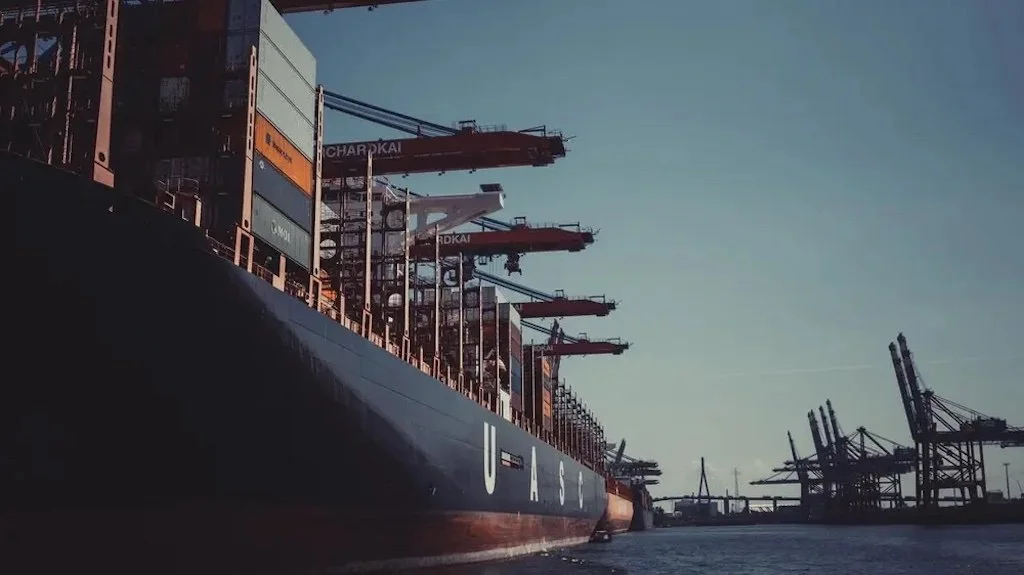
image: T&E
IMO negotiations have faced opposition from several major fossil fuel-producing countries, including Saudi Arabia and the United States, leading to delays in adopting the framework.
But Brussels based Environmental group Transport & Environment said the UK government should “lead from the front” rather than relying solely on global agreements, warning that delays to the IMO’s proposed Net Zero Framework risk slowing progress on maritime decarbonisation.
The comments come after the IMO’s Marine Environment Protection Committee (MEPC) meeting in London concluded with members agreeing to continue negotiations on a global shipping emissions framework, while acknowledging divisions among countries over the pace and scope of proposed measures.
Shipping accounts for roughly 3% of global greenhouse gas emissions, according to the IMO, while campaigners say the sector remains one of the more difficult industries to decarbonise because of its heavy dependence on fossil fuels and international regulatory complexity.
The UK’s Climate Change Committee has said the shipping sector currently lacks credible policies to align with national net zero targets.
Transport & Environment said the UK should introduce additional domestic policies if international progress remains limited. The organisation pointed to measures such as extending the UK Emissions Trading Scheme (ETS) to international shipping routes, introducing cleaner fuel standards and expanding the use of shore power at ports to reduce emissions from docked vessels.
Ariana Makinson, T&E UK Sustainable Shipping Senior Officer said, “The recent Strait of Hormuz crisis has shown how shipping, as a global industry heavily dependent on fossil fuels, is particularly vulnerable to geopolitical crises. Between 1 March and 20 March, global shipping racked up an estimated £4bn in additional fuel costs, hitting £295m daily at its peak. The current crisis shows the urgent need to move away from fossil fuels not just for emissions reduction but for energy security and resilience. Without strong regulation this will not happen”
The EU already has binding rules and targeted investment to scale clean shipping technologies and cut emissions from the sector. T&E says the risk is clear: the UK slips into the role of green tech laggard, as Europe captures the green shipping opportunity along with the jobs, investment, and energy security it brings.
“This is not optional. The Government will include international shipping in the Sixth Carbon Budget, regardless of what future direction the IMO takes, it is increasing the risk of missing emissions targets, undermining net zero credibility, and handing polluters a free pass,” Makinson added.