
Transport for London (TfL) has appointed engineering consultancy WSP, with Costain and architectural practice Fereday Pollard, to support the next stage of development of the proposed West London Orbital railway.
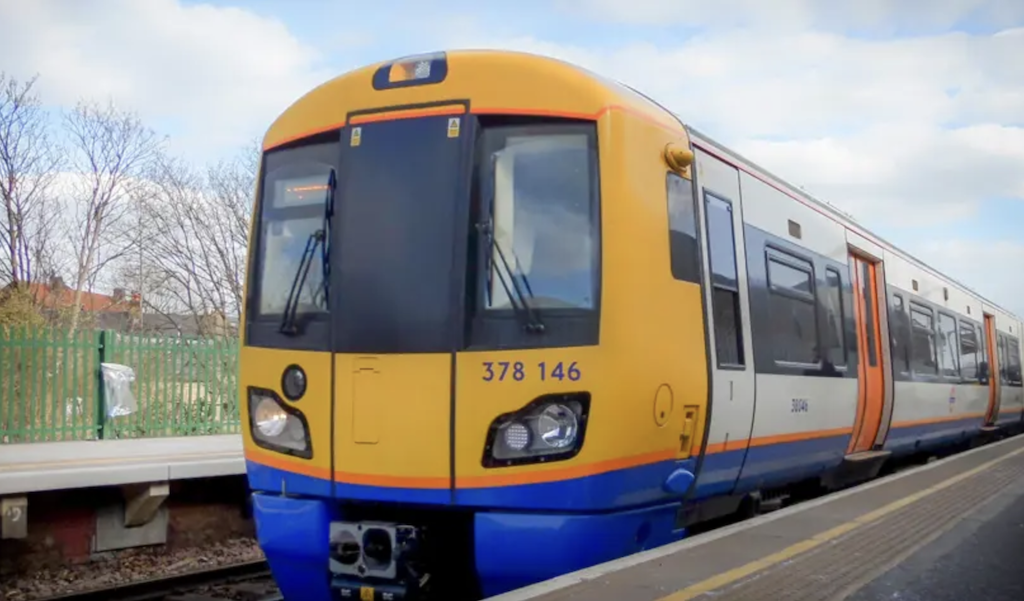
image: TfL
The 18.5km London Overground route would connect Hounslow with Hendon, improving orbital connections across west and north-west London and linking destinations including Brentford, Acton, Old Oak Common and Brent Cross.
The proposed railway would make use of existing and underused rail infrastructure, including the Dudding Hill freight line. Plans include four new stations at Neasden, Harlesden, Old Oak Common Lane and Lionel Road, alongside upgrades to existing stations.
The team will provide technical and programme support as TfL develops the scheme and assesses how it could be delivered.
The appointment covers stakeholder engagement, timetable development and passenger demand forecasting, alongside work on the business case and funding strategy.
Costain will provide engineering and construction planning expertise, including advice on how the proposed railway could be delivered. Fereday Pollard will contribute station design experience, drawing on its previous work on several of the stations along the proposed route.
The work builds on WSP's involvement in developing the West London Orbital concept since 2019, alongside the West London Alliance, BusinessLDN and Capital West London.
TfL has said the route could support the delivery of new homes and jobs, while providing more direct journeys between communities that currently require travel through central London.
A public consultation on the proposals opened in September and is due to close on 18 November. Feedback will inform the development of the scheme and the identification of a preferred option.
TfL has not yet made a final decision to proceed with construction. The authority is expected to consider whether to seek the formal powers needed to deliver the railway as the business case and funding arrangements develop. Construction could begin in the early 2030s, with services potentially starting by 2035.