
Birmingham refreshes transport priorities with greater focus on walking, cycling and public transport
Birmingham City Council is refreshing its transport investment priorities, with greater emphasis on public transport, walking, cycling and road safety as the city prepares to deliver its programme within a wider West Midlands funding framework.
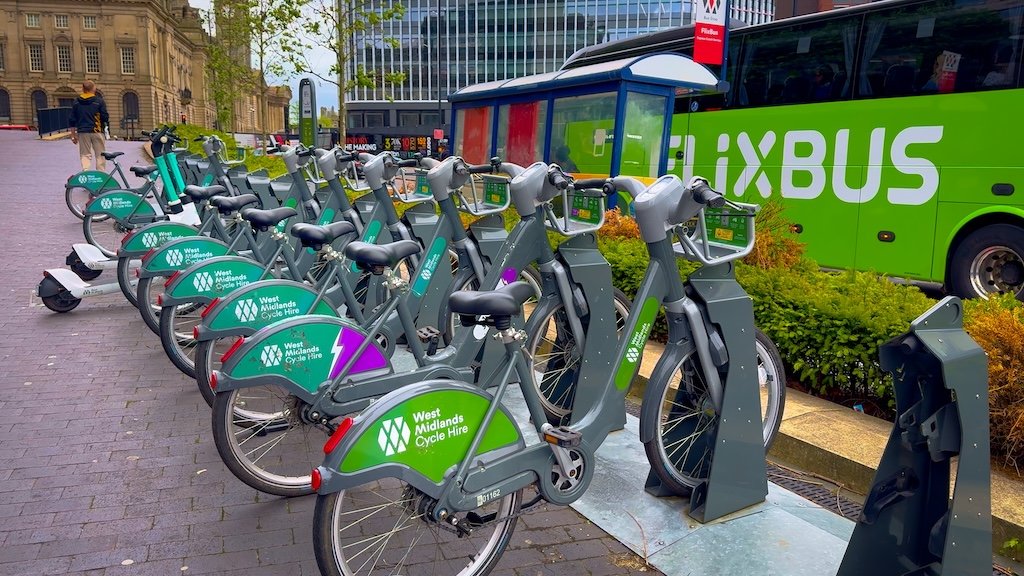
image: Shutterstock
A report to the council’s Cabinet builds on the Birmingham Transport Plan and sets out an approach focused on improving the city’s existing transport network while supporting economic growth and more sustainable travel.
Responsibility for a significant proportion of local transport investment increasingly sits with the West Midlands Combined Authority (WMCA), which has been allocated £2.4bn of Transport for City Regions funding through to 2031/32. Funding for the City Council programme is supplied by central government, via WMCA, topped up by net surplus revenue from the Clean Air Zone and enforcement of bus lanes.
In addition to a range of strategic schemes, the programme includes the new Healthy Streets Ward Fund, providing just over £15m across Birmingham’s wards to support local delivery of the council’s Road Harm Reduction Strategy.
Birmingham City Council remains responsible for its local highway and street network, while Transport for West Midlands coordinates major regional transport programmes and investment.
Cllr Rob Grant, the City Council’s Cabinet Member for Transport, said, “Transport affects everyone and Birmingham residents deserve a great transport network. That means one which enables everyone to safely and easily access work, education, shops and leisure facilities.
“Too many people don’t feel safe walking or cycling for local trips and investing in the right improvements is vital. This report updates our rolling programme of transport projects and I am pleased at the variety of work proposed, including local neighbourhood schemes, bus priority measures, safe cycling infrastructure and additional enforcement to tackle dangerous driving behaviours.
“It is also vital to address the impact of transport on carbon emissions, climate change and air quality. I want to create conditions in which people can choose to reduce their car use without feeling compromised and where the third of households who already don’t have a car have access to a wide range of opportunities."