
Wales seeks faster progress on rail reform as Railway Bill keeps Burns Review in focus
The Welsh Government has called for faster progress in negotiations with the UK Government over rail reform, as it seeks greater influence over investment and service planning in Wales and the English-Welsh borders.
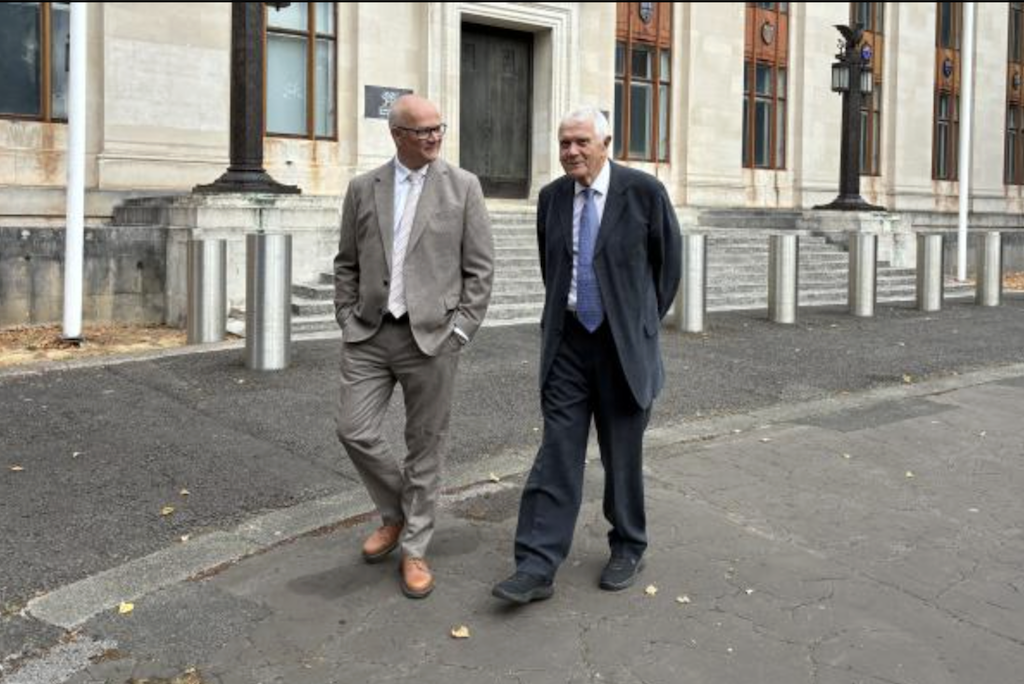
The issue was discussed during a meeting between Welsh Deputy Minister for Transport Mark Hooper and Lord Terry Burns, a former Treasury permanent secretary who later chaired the South East Wales Transport Commission and subsequently the North Wales Transport Commission.
With plans to establish Great British Railways (GBR) moving forward, GBR and Transport for Wales (TfW) are expected to develop a partnership covering the Wales and Borders area, under an agreement established in March,.
The Welsh Government has argued that the new arrangements must provide Wales with meaningful influence over decisions affecting its railway.
The March memorandum of understanding sets out how GBR and TfW will work together, including through joint planning and local decision-making. It also provides for a dedicated Wales and Borders business unit within GBR.
Speaking after the recent meeting the Hooper said, “It was good to meet with Lord Burns and confirm our shared views on the key issues facing the future of transport in Wales.
“We were both in agreement that negotiations with the UK Government need to be accelerated to ensure Wales' interests are properly represented.
“The Railways Bill is a great opportunity to develop these working relationships with the UK Government so that we can deliver real benefits for people in Wales and our border communities, both now and in the future.”
The minister also said Lord Burns' knowledge (including his time as chair of the South East Wales Transport Commission and before that Treasury permanent secretary) would help strengthen discussions with the UK Government and ensure “the interests of Welsh passengers are not overlooked by an overly centralised Great British Railways.”
The South East Wales Transport Commission was established by the Welsh Government in 2019 under Lord Burns’ chairmanship to examine congestion on the M4 around Newport.
Its final report, published in November 2020, concluded that increasing road capacity alone would not provide a sustainable long-term solution to congestion. Instead, it proposed a “network of alternatives” intended to give people more options for travelling around South East Wales.
The commission made 58 recommendations covering rail, bus, cycling, walking, transport policy, planning and travel behaviour. The programme was intended to reduce dependence on the M4 and improve the resilience and connectivity of the wider transport network.
Recommendations for rail included new stations, enhanced rail services and better integration between rail and other forms of public transport.
The Burns Delivery Unit was subsequently established in January 2021 to accelerate implementation of the recommendations. It is resourced by TfW and brings together rail, bus and active travel expertise. Its board includes the Welsh Government, TfW, Network Rail and the local authorities of Cardiff, Newport and Monmouthshire.
The 2025 Spending Review allocated at least £445m for rail enhancements in Wales during the spending review period, including £302m for infrastructure upgrades, £95m for further development and £48m for enhancements to the Core Valley Lines.
The UK Government has also endorsed TfW's longer-term rail vision, which currently contains 43 schemes with established development work and an estimated overall pipeline value of up to £14bn. The government says the programme could generate wider economic benefits of £6.3bn and lead to up to 13.3m additional rail journeys a year once delivered.
The Burns programme is now being considered alongside the wider restructuring of Britain's railway. The Welsh Government's concern is that national rail reform should not result in decisions affecting Wales being taken predominantly at a UK-wide level.
Lord Burns said following his meeting with the Deputy Minister, “The M4 congestion around Newport is an issue close to my heart. I remain committed to helping to achieve the best options for improving resilience, reliability and connectivity in Southeast Wales.
“The meeting this week has given me a valuable opportunity to understand the priority issues and to discuss with the Deputy Minister how we might address these challenges together.
“Better transport links are essential to the Welsh economy. They enable businesses to grow and thrive, and make it easier for people to travel, whether for work or leisure.”
The Burns recommendations remain part of a wider shift in Welsh transport policy away from relying principally on additional road capacity and towards an integrated network of rail, bus and active travel.