
ZEV mandate review puts EV charging investment at risk, BEAMA warns
A review of the UK’s Zero Emission Vehicle (ZEV) Mandate could affect investment in electric vehicle charging infrastructure, with industry body BEAMA warning that changes to the current trajectory could delay up to £1.56bn of home charge point sales and installations by 2034. The BEAMA analysis follows the government's launch in August of a consultation on the operation of the ZEV Mandate.
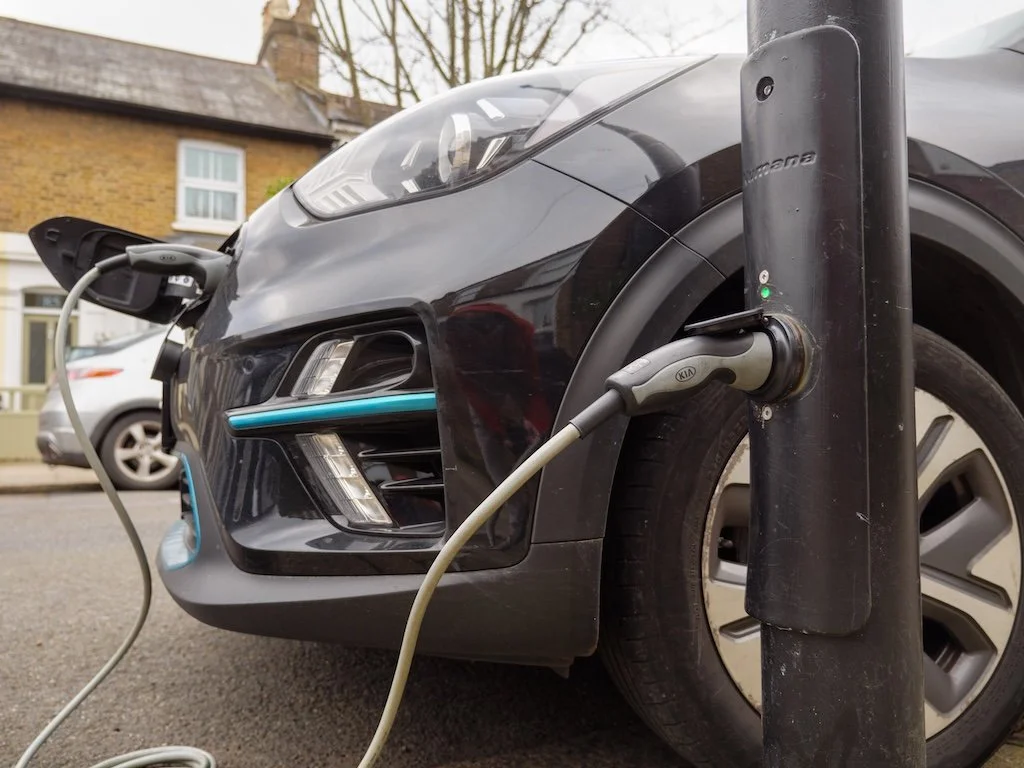
image: Shutterstock
BEAMA represents manufacturers and service providers across the electrical supply chain. Its Electrical Transport Systems Group covers EV charge points, software and data platforms, connections between EV infrastructure and buildings, charging networks, energy storage and technologies supporting grid flexibility.
BEAMA modelled a scenario in which the government's existing 2030 target for zero-emission car sales was reduced from 80% to 50%. It estimated that this could result in up to 1.7m fewer home charge point sales by 2034, representing around £1.56bn in sales and installation activity compared with the existing trajectory.
The organisation also estimated that the lower trajectory could reduce flexible EV charging capacity by up to 12GW by 2034. Smart charging is expected to play a role in managing electricity demand as transport becomes increasingly electrified.
BEAMA said manufacturers had based investment decisions on the existing ZEV Mandate trajectory, with some planned investments approaching £100m. It warned that significant changes to the targets could lead companies to reassess those plans.
Matt Adams, head of electrical transport systems at BEAMA, said, “Manufacturers have invested millions against the trajectory the Government set. If the targets keep changing, the case for investing, expanding and creating well paid, highly skilled jobs that support communities, becomes harder to make.”
He added that there was a potential conflict between the government's interest in using EV smart charging to provide flexibility to the electricity system and a weaker mandate that could slow the uptake of electric vehicles and smart chargers.
BEAMA also calculated that the additional petrol, diesel and plug-in hybrid vehicles sold under its 50% scenario could generate an estimated 71m tonnes of CO2 equivalent over their lifetimes.
The Department for Transport says the review is intended to ensure that the policy remains effective in supporting the transition to zero-emission vehicles while also supporting consumers, industry and the wider decarbonisation objectives.
The consultation closes on 23 October, with the government committed to completing the review by early 2027.