
Campaign group warns against further changes to UK ZEV Mandate
Transport & Environment (T&E) UK has warned that any further weakening of the UK's Zero Emission Vehicle (ZEV) mandate could affect consumer costs, emissions reductions and long-term investment in the domestic automotive sector, amid continued debate over the future direction of electric vehicle policy.
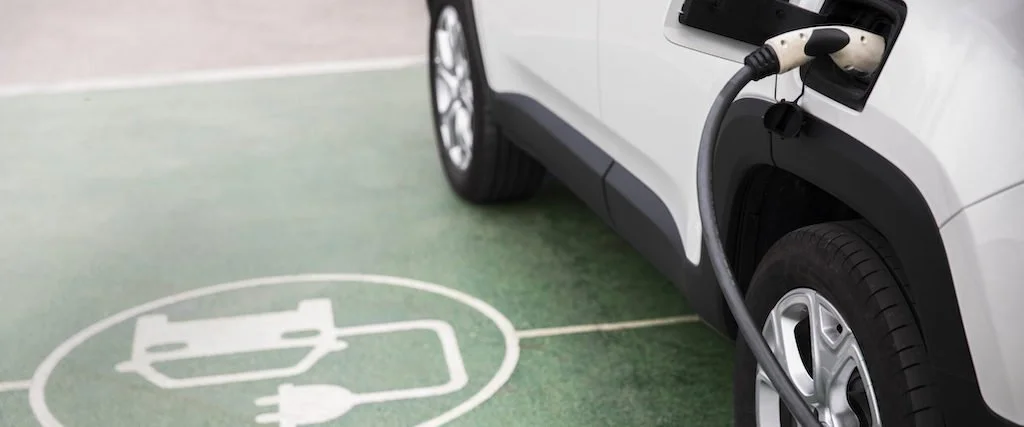
image: EVA England
The comments come as reports suggest ministers are considering additional changes to the ZEV mandate following lobbying from sections of the automotive industry and trade unions. Media reports have indicated the government may consider reducing the proportion of new car sales required to be zero-emission by 2030 while maintaining the broader timetable for phasing out new petrol and diesel vehicle sales.
The ZEV mandate, which came into force in 2024, requires manufacturers to achieve increasing annual proportions of zero-emission vehicle sales or face compliance costs. Current targets rise progressively through the decade as part of the UK's wider strategy to reduce transport emissions and support the transition to electric vehicles.
In its latest briefing, T&E argued that policy certainty remains important for both industry investment and consumer adoption. The organisation said weakening the mandate could slow deployment of charging infrastructure, increase reliance on hybrid technologies and create uncertainty around investment decisions across vehicle manufacturing and supply chains. The group also argued that stable regulation is needed to support competitiveness as international automotive markets increasingly shift towards electric vehicles.
The intervention adds to an increasingly divided debate around the policy. Supporters of maintaining the current trajectory argue that the mandate has encouraged private investment in charging infrastructure and expanded the range of electric vehicles available to consumers. Industry groups and climate organisations have also pointed to rising electric vehicle sales and increasing model availability as evidence of continued market progress.
However, some automotive manufacturers and trade unions have argued that the pace of transition remains challenging. Industry representatives have highlighted concerns including weaker-than-expected consumer demand, the cost of manufacturer incentives and compliance pressures associated with meeting annual targets.
Recent market data indicate continued growth in electric vehicle uptake in the UK, although battery-electric vehicles remain below the level required to meet annual ZEV targets without additional flexibilities. Battery-electric vehicles accounted for 27.3% of UK new car registrations in May, below the 33% target applying for 2026 sales.
The government has previously said it remains committed to the wider transition to zero-emission transport while working with industry to ensure the regulatory framework supports jobs and investment.