
London deaths linked to air pollution fall by around 40%
New analysis commissioned by the Mayor of London has found an estimated reduction of around 40% in deaths associated with air pollution across the capital between 2019 and 2024, with City Hall pointing to the cumulative impact of measures including the expansion of the Ultra Low Emission Zone (ULEZ) and wider clean air policies.
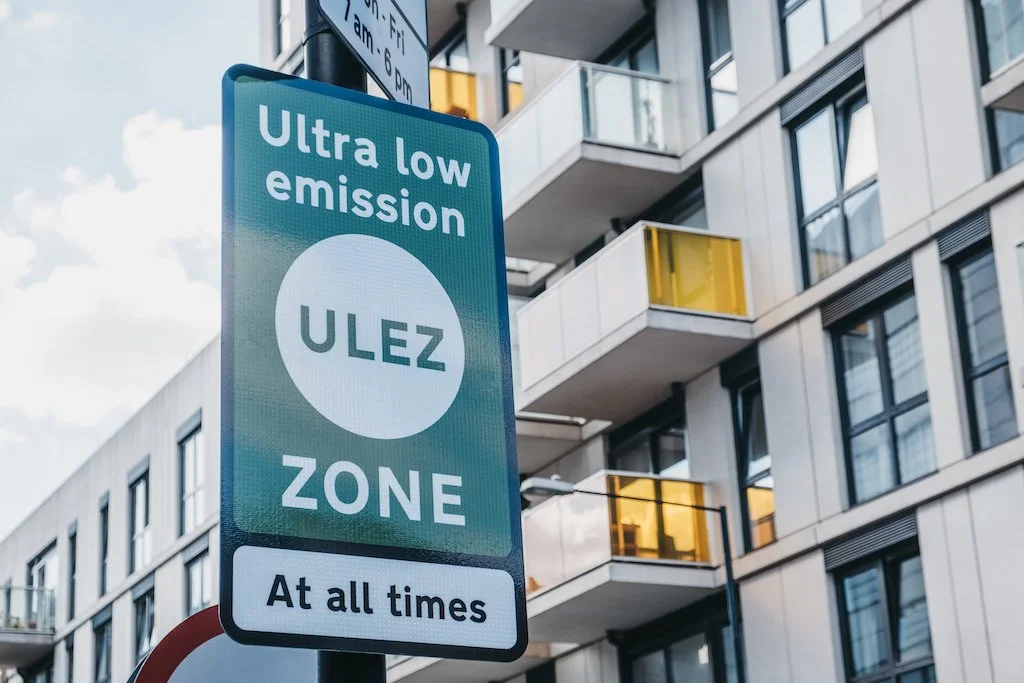
image: Shutterstock
The findings are based on analysis by researchers at Imperial College London's Environmental Research Group, which assessed changes in pollution exposure and associated health impacts over the period. Using updated methodology, researchers estimated that deaths associated with long-term exposure to air pollution fell from approximately 6,400–8,000 in 2019 to between 3,800 and 5,100 in 2024.
The study also reported broader improvements in air quality across London. Nitrogen dioxide concentrations, a pollutant strongly associated with road transport emissions, were estimated to have fallen by 41% across the capital since 2019, while fine particulate pollution (PM2.5) declined by 28%. Researchers said these changes are associated with improvements in health outcomes and a reduction in the wider health burden linked to air pollution.
ULEZ was first introduced in central London in 2019 before being expanded to inner London in 2021 and across all London boroughs in 2023. The scheme requires drivers of older and more polluting vehicles to pay a daily charge when travelling within the zone. Previous studies examining the scheme found reductions in roadside pollution levels and reported that air quality had improved at most monitored locations across the city following successive expansions.
City Hall said the latest findings reflected the combined effect of policies introduced over several years, including vehicle scrappage programmes, growth in zero-emission buses, school air quality initiatives and measures designed to reduce emissions from road transport. London met legal nitrogen dioxide limits in 2024 for the first time.
Despite the reported improvements, researchers said air pollution remains a significant public health issue. The analysis estimated that long-term exposure to air pollution was still associated with between 3,800 and 5,100 premature deaths across London in 2024 and placed the annual economic cost of that mortality burden at between £3.8bn and £5.1bn.