
Catapult launches clean transport accelerator for maritime decarbonisation
Connected Places Catapult has launched a new six-month accelerator programme inviting maritime innovators to develop and trial clean technology solutions aimed at reducing emissions from vessels and port operations, as part of wider efforts to accelerate maritime decarbonisation in the UK.
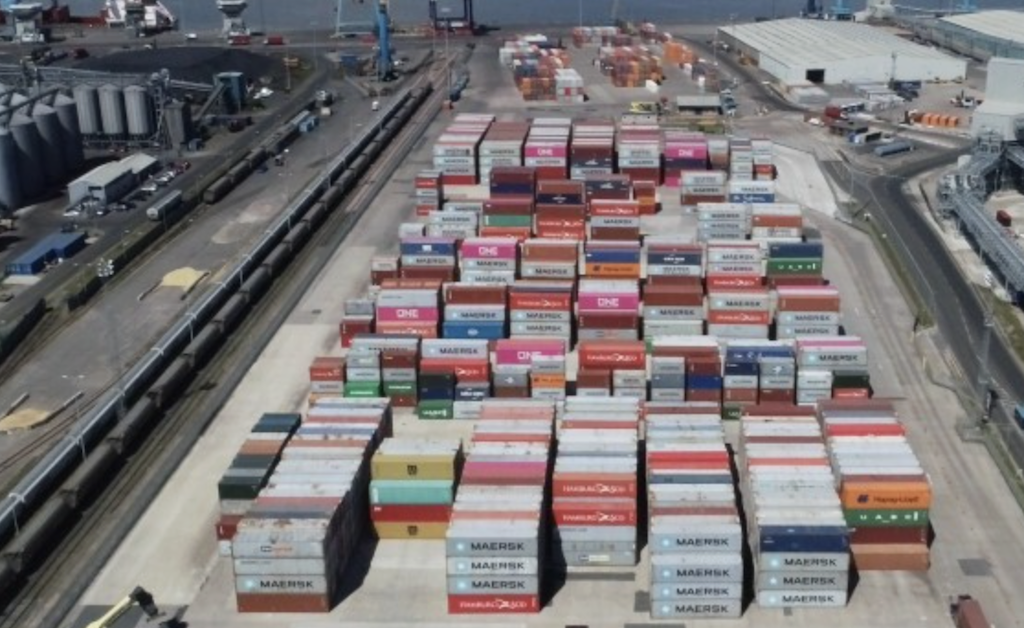
image: Port of Tyne
The Clean Transport Accelerator: Maritime will support small and medium-sized enterprises (SMEs) developing technologies across areas including vessel optimisation, emissions tracking, clean energy use and low-carbon shipyard manufacturing. The programme is delivered by Connected Places Catapult and funded through Innovate UK as part of the UK’s broader innovation support ecosystem for transport decarbonisation.
Up to six companies will be selected to receive tailored business and technical support, with three also eligible for funded trials of up to £30,000 each. Trials will take place with delivery partners including the Port of Tyne, Portsmouth International Port, Serco and the National Shipbuilding Office, alongside industry input from Maersk.
The Catapult said the programme is designed for technologies at Technology Readiness Levels (TRL) 5 to 8, meaning solutions are expected to be validated in relevant environments or approaching full system qualification. The initiative builds on previous maritime innovation accelerators which have supported dozens of SMEs and delivered a series of real-world trials across UK ports and maritime operations.
Transport decarbonisation in the maritime sector remains a policy priority in the UK, with government-backed programmes such as the Clean Maritime Demonstration Competition and Zero Emission Vessels and Infrastructure (ZEVI) fund providing significant investment into clean fuels, propulsion systems and port infrastructure. Recent funding rounds have supported deployment trials and feasibility studies across UK coastal regions, aimed at accelerating the commercialisation of low- and zero-emission maritime technologies.
Industry bodies and innovation agencies have highlighted that while technologies such as hydrogen propulsion, wind-assist systems, battery-electric vessels and shore power systems are advancing, scaling these solutions will require coordinated investment across vessels, infrastructure and regulatory frameworks.