
Government unveils updated five year Active Travel Strategy for England
The UK government has published its Third Cycling and Walking Investment Strategy (CWIS3), setting out plans to increase walking, wheeling and cycling across England through more than £4.5bn of projected investment over the next five years.
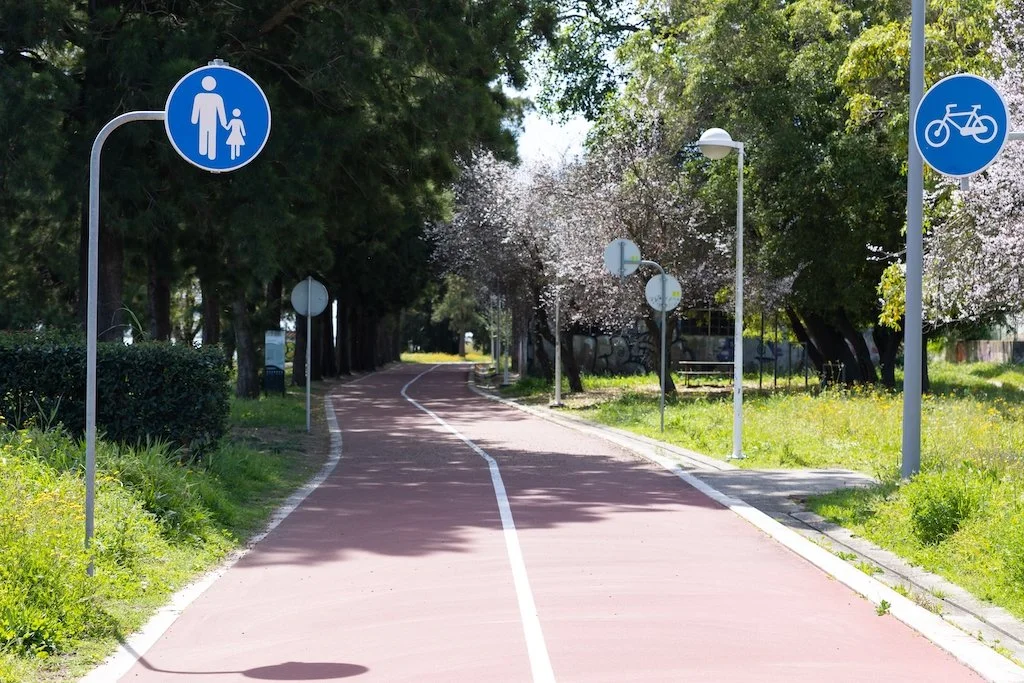
image: Shutterstock
The strategy establishes a long-term vision of making active travel a safe, easy and accessible option for all. It includes £1.1bn of funding for Active Travel England and introduces new national targets.
Under the strategy, the government aims for 55% of short journeys in towns and cities to be made by active travel modes by 2035. A new target has also been introduced for 60% of children aged between five and 16 to usually walk, wheel or cycle to school by the same year.
The programme includes plans for thousands of new walking and cycling routes, additional pedestrian crossings, lower-speed neighbourhood measures and improvements designed to make active travel safer and more attractive. Ministers say the measures are intended to support public health, reduce congestion, improve air quality and provide lower-cost transport options for households.
Transport Secretary Heidi Alexander told Parliament that active travel investment delivers benefits across health, economic growth and environmental objectives while providing greater transport choice. During a Commons statement on the strategy, she said walking, wheeling and cycling should become practical options for more everyday journeys.
The strategy introduces two central objectives: ensuring people are safe when travelling actively and ensuring active travel feels like an easy choice. The government said these priorities emerged from consultation responses and are intended to address some of the main barriers preventing greater uptake, particularly among women, children and less confident users.
The publication has been broadly welcomed by organisations involved in active travel, public health and sustainable transport, many of which have called for long-term investment and clearer national objectives. However, some groups have argued that additional measures may be needed to address disparities in participation and ensure that infrastructure improvements benefit all communities equally.
The strategy represents the third statutory Cycling and Walking Investment Strategy required under the Infrastructure Act 2015 and follows a consultation process launched in late 2025. It forms part of the government's wider transport and decarbonisation agenda, which seeks to integrate active travel more closely with public transport networks and local development plans.
Implementation of the strategy will be overseen by Active Travel England in partnership with local authorities and transport bodies. Progress towards the targets will be monitored through a new performance framework covering infrastructure delivery, travel behaviour and wider economic, health and environmental outcomes.