
Government considers buying trains rather than leasing under new rail strategy
The Government is to consider buying new trains outright rather than leasing them from private rolling stock companies under a new strategy for rolling stock and infrastructure.
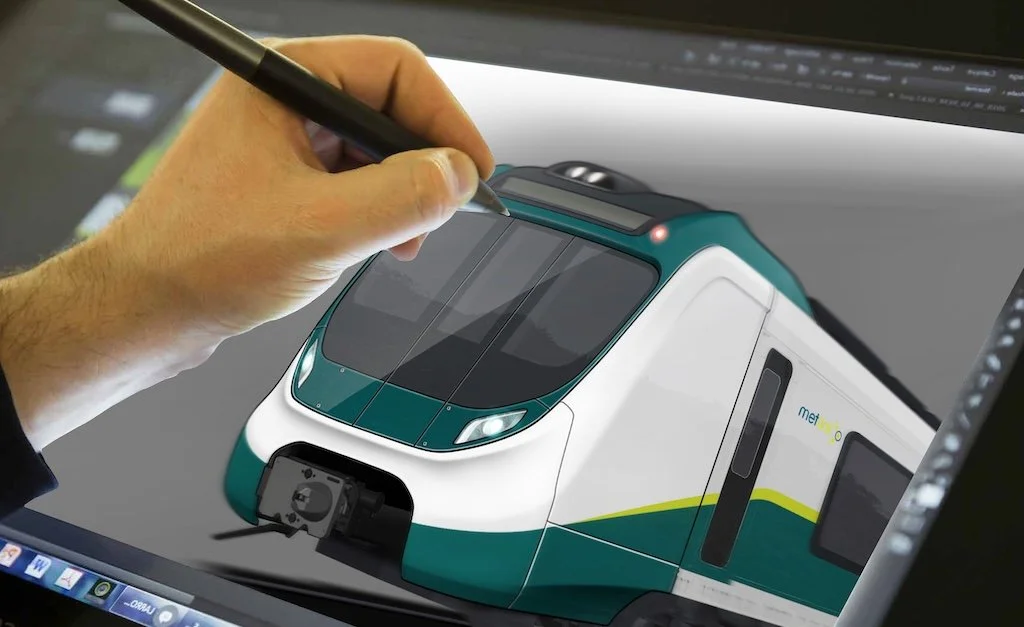
image: Alstom
The strategy, published by the Department for Transport and DfT Operator Limited gives Great British Railways (GBR) responsibility for assessing whether public ownership, leasing or other financing arrangements provide the best value for taxpayers and farepayers when new trains are procured.
Leasing will continue for existing contracts but will no longer be treated as the default approach for future train orders. Decisions will instead be made on a case-by-case basis, taking account of costs, operational requirements and the wider value delivered to the railway.
Most passenger trains in Britain have historically been owned by rolling stock companies, or ROSCOs, and leased to train operators. The Government said leasing and maintenance currently cost taxpayers and passengers more than £4bn a year, while figures from the Office of Rail and Road show that rolling stock companies paid more than £2.5bn in dividends over the past decade.
The approach is part of a wider attempt to coordinate decisions on trains, infrastructure, depots and maintenance. GBR will be responsible for planning these elements as a single system, rather than allowing individual operators to make separate rolling stock decisions.
The strategy also proposes greater standardisation of train fleets through the development of “fleet families”. The Government said this could allow trains to be used more flexibly across the network and provide greater consistency for passengers, while reducing some of the complexity associated with multiple train designs.
Future procurements are also expected to include requirements covering accessibility, passenger information and digital connectivity. The Government has separately said that unassisted level boarding between trains and platforms should become a standard expectation for new trains wherever practicable.
One of the first major orders under the emerging model is a planned £1bn investment in 29 battery-electric trains for the TransPennine Route Upgrade. The trains are due to be built at Alstom's Derby plant from 2028 and enter service from winter 2034.