
MPs launch inquiry into government role in public transport pricing and ticketing
The House of Commons Transport Committee has launched an inquiry into the Government’s role in setting public transport fares, pricing and ticketing arrangements.
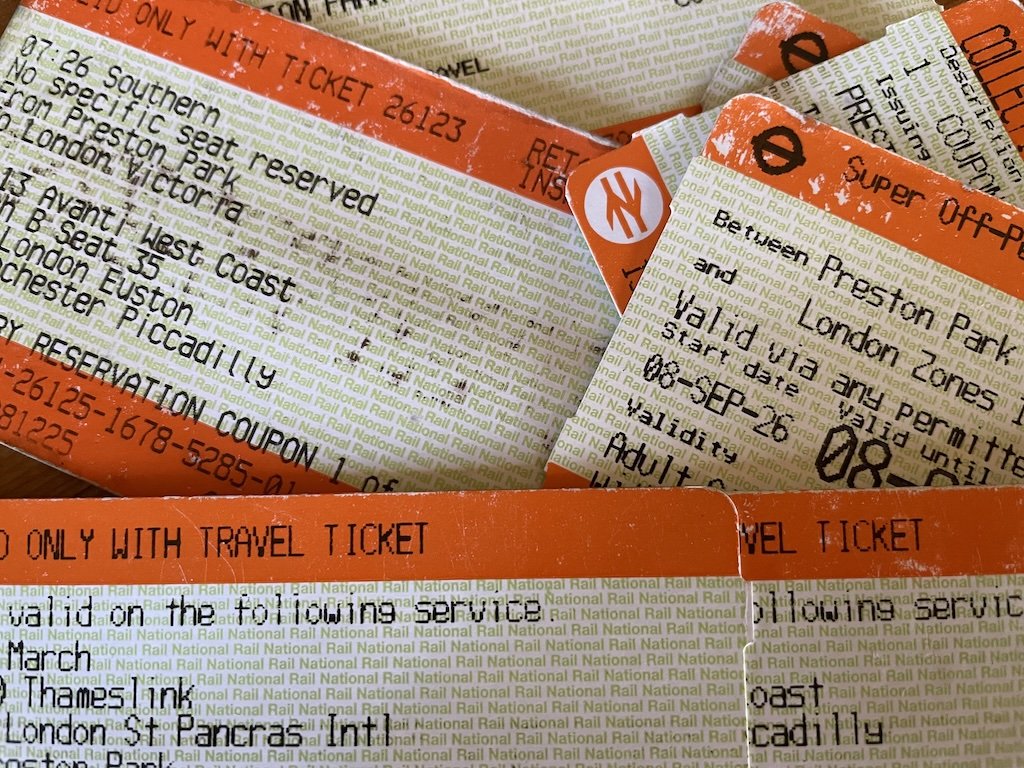
The inquiry will examine what objectives should guide government intervention in fares and ticketing, and whether recent measures have been sufficiently clear and effective. MPs will consider the effects of fare interventions on passenger demand, transport choices and public finances. It will also consider how pricing and ticketing should operate as responsibility for local public transport becomes more devolved.
The inquiry comes as governments across the UK pursue different approaches to public transport pricing. In England, the Government has announced that a £2 bus fare cap will be reinstated from January 2026. It has also announced plans for disabled people in England to be able to travel free by bus at any time of day.
Rail fares are also undergoing reform. The Government froze regulated rail fares from March 2026 to March 2027, while Scotland has removed peak fares on ScotRail services. The Office of Rail and Road reported that overall regulated rail fares increased by 4.9% in January 2026, following changes to the fares-setting system.
The future structure of the rail industry is another factor. Under the Government's Railways Bill, Great British Railways (GBR) would become responsible for setting fares on the passenger services it operates, while the Transport Secretary would retain powers to set parameters and guardrails for overall fare levels. Devolved and open-access operators would retain responsibility for their own fares.
The proposed rail reforms would also give GBR a central role in ticket retailing. The Government plans for GBR to operate its own website and app while retaining a market for independent retailers. The aim is to reduce the fragmentation of the current system, in which multiple train operators operate separate retail channels.
The committee's inquiry will consider both the level at which fares are set and the division of responsibilities between central government, devolved authorities, transport operators and other bodies.
The committee previously examined bus fares and concessions as part of its Buses Connecting Communities inquiry. Its 2025 report recommended that the Department for Transport and local transport authorities establish clear strategic priorities for what bus fares are intended to achieve.
Transport Committee chair Ruth Cadbury said the inquiry would examine how ticket prices influence transport choices, how fare policy can support financially sustainable networks and how interventions could generate wider benefits for public finances.
The committee is accepting written evidence from interested organisations and individuals, with submissions due by 13 November.