
International rail passenger journeys through the Channel Tunnel could more than double to 28m a year by 2040, provided planned new services and infrastructure investment are delivered, according to a report by Campaign for Better Transport.
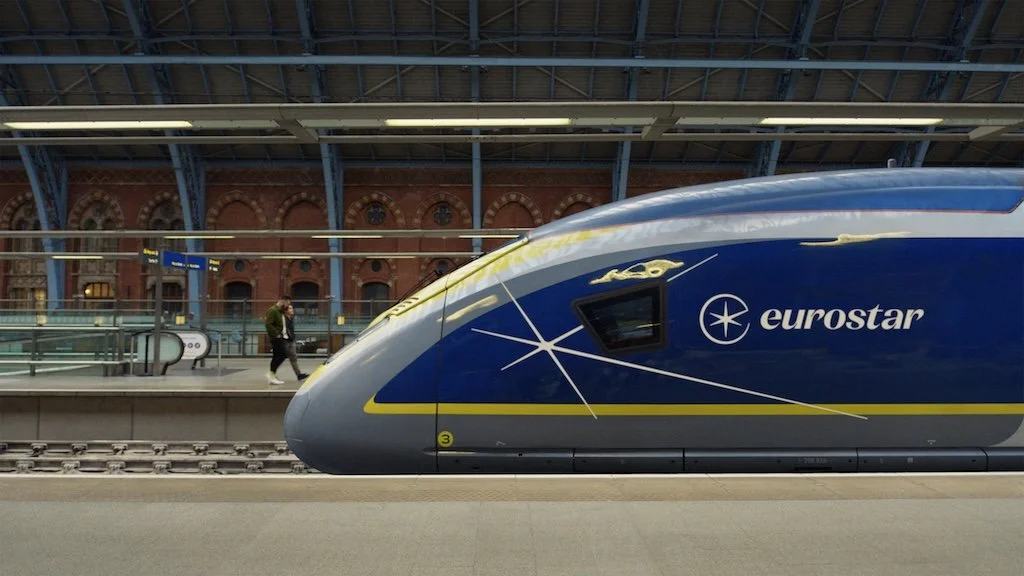
image: eurostar
Tunnel Vision: Seizing the International Rail Opportunity examines the potential for expanding passenger and freight services between the UK and mainland Europe. It argues that the Channel Tunnel remains underused and that a combination of new operators, additional destinations, improved infrastructure and changes to border and ticketing arrangements could support substantial growth.
Eurostar carried 11.8m passengers through the Channel Tunnel in 2025, above pre-pandemic levels. The report forecasts that announced expansion plans by existing and prospective operators could increase annual international rail journeys to 24.5m by 2031 and 28m by 2040.
The projections reflect plans by Eurostar to expand its fleet and introduce direct services to Frankfurt and Geneva, alongside potential new competition from Virgin Trains, Trenitalia and Gemini Trains. However, the report stresses that these forecasts depend on operators overcoming commercial, financial, regulatory and infrastructure barriers.
Eurostar has ordered 30 new double-deck Avelia Horizon trains from Alstom, with options for a further 20. The first are expected to enter commercial service in 2031. Trenitalia is developing plans for London–Paris services from 2029, while Virgin Trains has outlined ambitions to operate up to 20 daily return services between London and continental European destinations from 2030.
The report identifies depot capacity as a significant barrier to new operators entering the market, while London St Pancras faces space and passenger-processing constraints. It calls for investment in additional depot facilities and upgrades to St Pancras. It also recommends reopening Ashford and Ebbsfleet international stations in Kent, which have not handled international passenger services since 2020, and enabling international trains to stop at Stratford International in east London.
The Stratford proposal has received government backing. The 2026 Budget confirmed support for work with the Greater London Authority to enable international services to stop at the station, subject to further development. A business rates retention zone is intended to help support improvements.
The report argues that lengthy security and border procedures reduce the competitiveness of international rail compared with flying. It calls for a review of existing arrangements to establish whether security requirements remain proportionate, alongside more efficient border processing. Other recommendations include better integration between international and domestic rail services, simpler through-ticketing and improved passenger rights. It also highlights the need for more competitive fares, arguing that fragmented booking arrangements and limited onward connections make international rail less accessible, particularly to passengers outside London.
The report identifies significant potential to increase freight movements through the Channel Tunnel, estimating that only around 10% of available freight capacity is currently used. It is calling for investment in terminal infrastructure, improved rail connections and changes to accommodate different European loading gauges.
The £15m redevelopment of Barking Eurohub in east London is cited as an important development. Work began in July 2026 on transforming the site into an international intermodal freight facility capable of handling containers and liftable lorry trailers, with the aim of restoring regular cross-Channel rail freight services.
Campaign for Better Transport wants international rail to feature more prominently in the government's forthcoming Long-Term Rail Strategy and wider programme of railway reform. It also calls for changes to business rates and the tax treatment of rail and aviation to address what it considers an imbalance that discourages investment in international rail.