
The government has published a clean electrification roadmap setting out how it intends to expand the use of electricity generated from low-carbon sources across transport, buildings and industry, alongside investment in generation, electricity networks and energy storage.
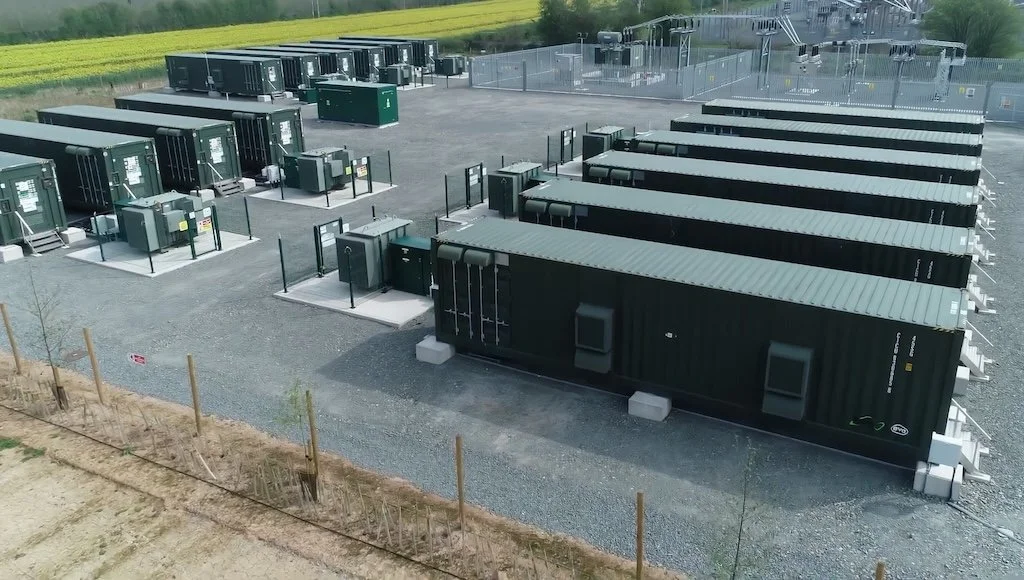
image: Shutterstock
Published by the Department for Energy Security and Net Zero, the roadmap identifies the next phase of the transition as moving beyond increasing clean electricity generation to replacing fossil fuels across the wider economy. It argues that this will require coordinated investment in grid infrastructure, more flexible electricity systems and measures to make electrification affordable for households and businesses.
The document highlights the scale of the challenge facing the electricity system, with demand forecast to more than double by 2050. The government is seeking to accelerate the construction of transmission infrastructure through planning and consenting reforms, supply-chain support and changes to land access arrangements. It identifies 80 critical transmission projects needed to support the delivery of its clean power ambitions.
The roadmap also points to the role of technology in making better use of existing network capacity. National Grid has installed dynamic line-rating technology across 900km of its transmission network, allowing capacity to be adjusted according to real-time weather and operating conditions.
The roadmap sets an ambition to increase clean electricity flexibility capacity two- to three-fold, reaching between 51GW and 66GW by 2030. Measures include expanding energy storage and interconnection, alongside smart tariffs, vehicle charging and home batteries to shift electricity consumption towards periods when renewable power is more plentiful.
Transport is identified as a major area for electrification, with the government highlighting the growth of the electric vehicle market and the role of charging infrastructure.
Beyond transport, the roadmap brings together measures to increase the electrification of domestic and commercial buildings, including an ambition to deliver 450,000 heat pump installations annually by 2030 and expand rooftop solar. For industry, it highlights support to reduce electricity costs for energy-intensive businesses and manufacturers, including the British Industrial Competitiveness Scheme, which is due to take effect in April 2027 and is expected to benefit more than 10,000 manufacturers.
The Climate Change Committee's 2026 progress report has previously highlighted uneven progress in this area, identifying the need for faster electrification across transport, buildings and industry. While electric car uptake and charging infrastructure were broadly on track, it identified slower progress in areas including heat pump installations in existing homes, electric van uptake and industrial electricity use.
The roadmap also forms part of the UK's contribution to an international initiative backed at COP31 in Türkiye, which seeks to increase electricity's share of global final energy consumption to 35% by 2035, from less than a quarter currently.