
UK shipping organisations launch coalition to accelerate alternative maritime fuels
A group of UK shipping and maritime organisations has launched a new coalition aimed at accelerating the development and adoption of alternative fuels for the maritime sector.
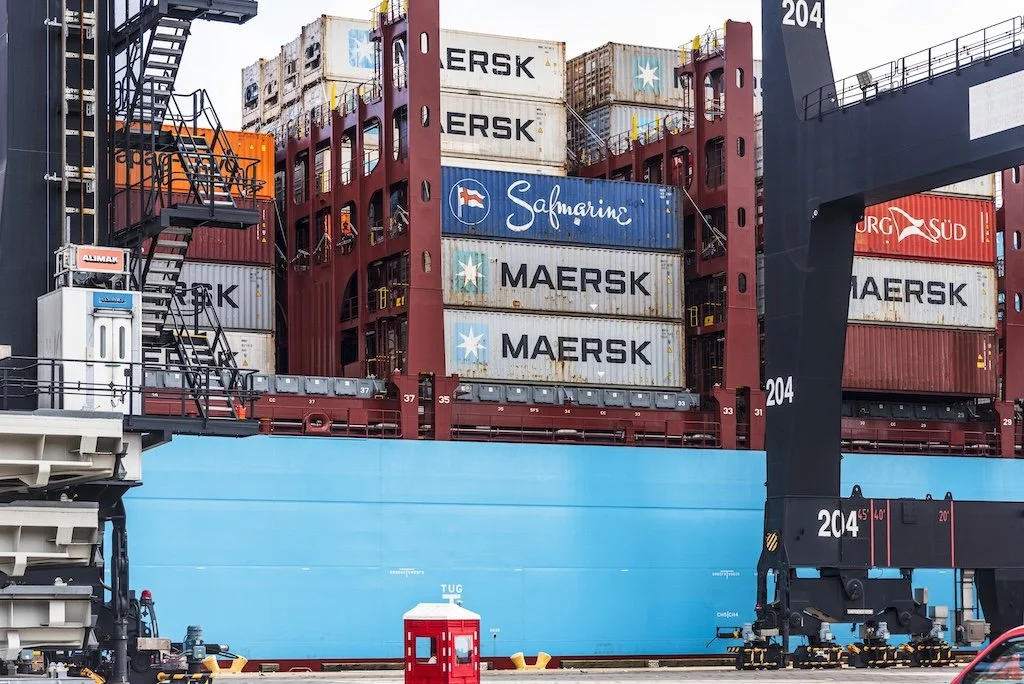
image: Shutterstock
The UK Alternative Maritime Fuels Coalition has been established by the UK Chamber of Shipping and Cruise Lines International Association (CLIA), bringing together shipowners, fuel suppliers, producers and maritime technology companies.
The coalition will focus on the availability of alternative fuels, supporting infrastructure and the policy framework needed to enable the shipping industry to reduce greenhouse gas emissions.
Members include the Anaerobic Digestion & Bioresources Association, Carbon Capture and Storage Association, eFuel Alliance, Hydrogen UK, the International Bunker Industry Association, the Global Methanol Alliance, Renewable Transport Fuel Association, SEA-LNG and the UK Ammonia Alliance.
The government's Maritime Decarbonisation Strategy, published in 2025, sets a goal of zero fuel lifecycle greenhouse gas emissions from UK domestic maritime by 2050, with interim reductions of 30% by 2030 and 80% by 2040, against a 2008 baseline.
The strategy identifies fuel regulation and emissions pricing among the measures that could encourage uptake of zero and near-zero greenhouse gas fuels.
Potential maritime fuels include hydrogen, ammonia, methanol and advanced biofuels, alongside electrification and other technologies. The Maritime and Coastguard Agency says each option presents different safety, engineering, operational and infrastructure requirements.
The coalition is intended to provide a forum for organisations across the emerging fuel supply chain to work on these challenges and identify measures that could support investment and deployment.
The initiative follows increased government investment in clean maritime technology. In March this year, DfT announced £271m for greener shipping and ports as part of a wider £448m commitment to clean maritime innovation. The funding is intended to support the development of clean technologies and future fuels.