
DfT launches much anticipated integrated transport strategy
The Department for Transport (DfT) has launched its much-anticipated integrated national transport strategy aimed at creating a more integrated and better connected network across England and setting out a long-term vision for how people and goods move around the country.
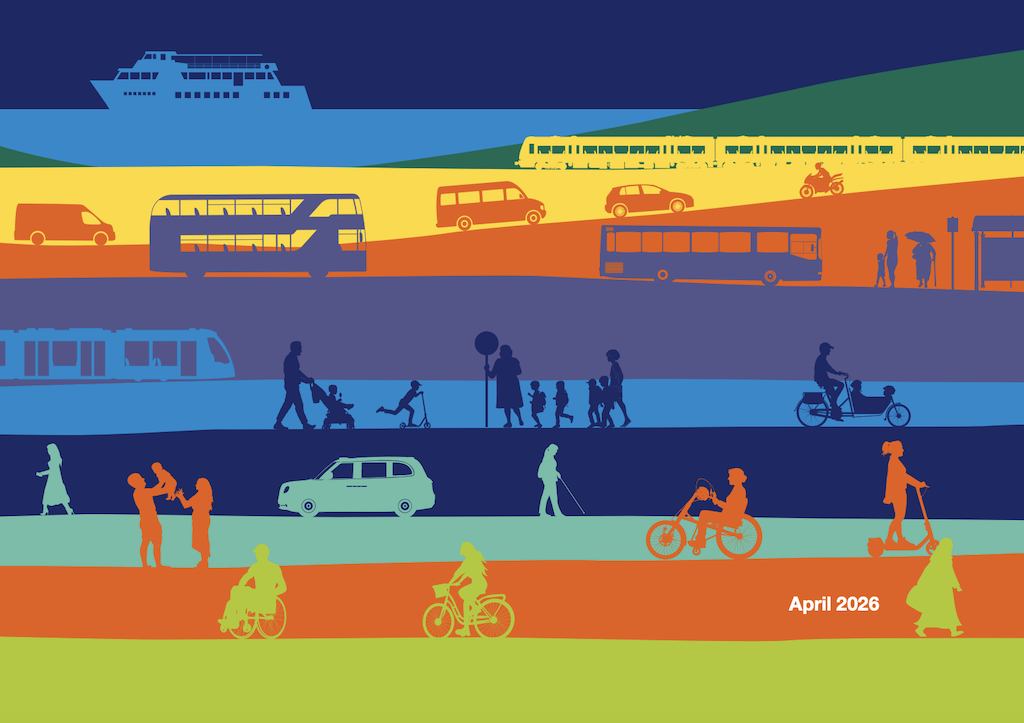
image: DfT (extract from report cover)
The policy paper, “Better Connected: A Strategy for Integrated Transport”, outlines plans to improve coordination between different modes of transport, including rail, bus, cycling and walking, while placing users’ needs at the centre of the system. It forms part of a broader programme of transport and infrastructure reforms being developed in 2026.
Ministers say the strategy is designed to address longstanding fragmentation in the transport network by promoting a more joined-up approach. This includes aligning timetables, simplifying ticketing, and improving interchange between services so that journeys across multiple modes become easier and more seamless.
A key element of the plan is a shift towards what officials describe as a “people-first” model. Rather than focusing primarily on journey speeds, the strategy emphasises access to jobs, services and opportunities, particularly for underserved communities.
The government also intends to give greater responsibility to local and regional authorities, enabling them to design transport systems that reflect local needs. This approach builds on wider devolution measures and is intended to allow mayors and councils to integrate services such as buses and local rail more effectively.
The strategy highlights the role of technology and data in improving coordination. Proposals include better use of real-time information and integrated ticketing systems, with the aim of allowing passengers to plan and pay for journeys across different transport providers more easily.
It also aligns with wider government objectives on economic growth, environmental sustainability and social inclusion. Improving connectivity is seen as a way to expand access to employment and support regional development, while encouraging greater use of public transport and active travel modes such as walking and cycling.
The publication follows consultations and a “call for ideas” which sought input from passengers, industry and local authorities on how to shape the future of transport in England over the next decade. The strategy is expected to guide future investment decisions and policy development, with further detail to be set out in subsequent implementation plans and sector-specific strategies.
Unveiling the strategy, Transport Secretary, Heidi Alexander, said, “People want journeys to be easy and reliable. They want to be able to get off a train and straight on to a bus without having to battle through a confusing system or buy separate tickets for each part of their journey.
“That’s why we’re giving local leaders the powers to build transport networks that are simpler, more accessible and better connected, improving everyday journeys and supporting growth in every corner of the country.”
The Chartered Institution of Highways & Transportation (CIHT), welcomed the strategy, saying it has “consistently called for the introduction of an integrated national transport strategy” to provide “a clear, long-term vision for how the transport system should be planned, delivered and operated”.
CIHT CEO Sue Percy said, “The strategy reflects many of the priorities CIHT has consistently highlighted, including the need to simplify journeys for users, improve integration across modes, empower local leaders and ensure transport better supports economic growth, inclusion and decarbonisation.
“Turning this ambition into delivery will now be critical, and CIHT looks forward to continuing to work with government and partners to help make integrated transport a reality for communities across England.”
Max Sugarman, Chief Executive of ITS UK added, “It’s fantastic to see technology play such a vital role in Better Connected, including in areas like digital twins, journey planning and navigation, smart ticketing and the more effective use of data.
“Our Manifesto for the Future of Transport recommended a number of policies reflected in this document, from making greater use of data to speeding up the roll-out of smart ticketing and providing a different approach to procurement that better leverages technology.
“Technology has a critical role to play in supporting a safer, more accessible and ‘joined-up’ transport network – and this strategy provides a great path forward, which industry is ready to support.”
Sam Gould, director of policy and external affairs at ICE said there was much to welcome in the strategy. “It’s positive to see it centred on making journeys easier and more affordable for people and its emphasis on local decision-making,” he said.
“Giving regional leaders more flexibility, control and long-term funding to make transport decisions for their areas will help meet people’s needs better.” Adding however, “While it sets helpful principles and priorities, it does not provide the clear, long‑term transport objectives that the Institution of Civil Engineers has said are essential components of a transport strategy that will guide investment in infrastructure.
“Consequently, decision making risks remaining fragmented across transport modes and regions. What’s needed are clear goals that every region, operator and mode can work towards together.”